
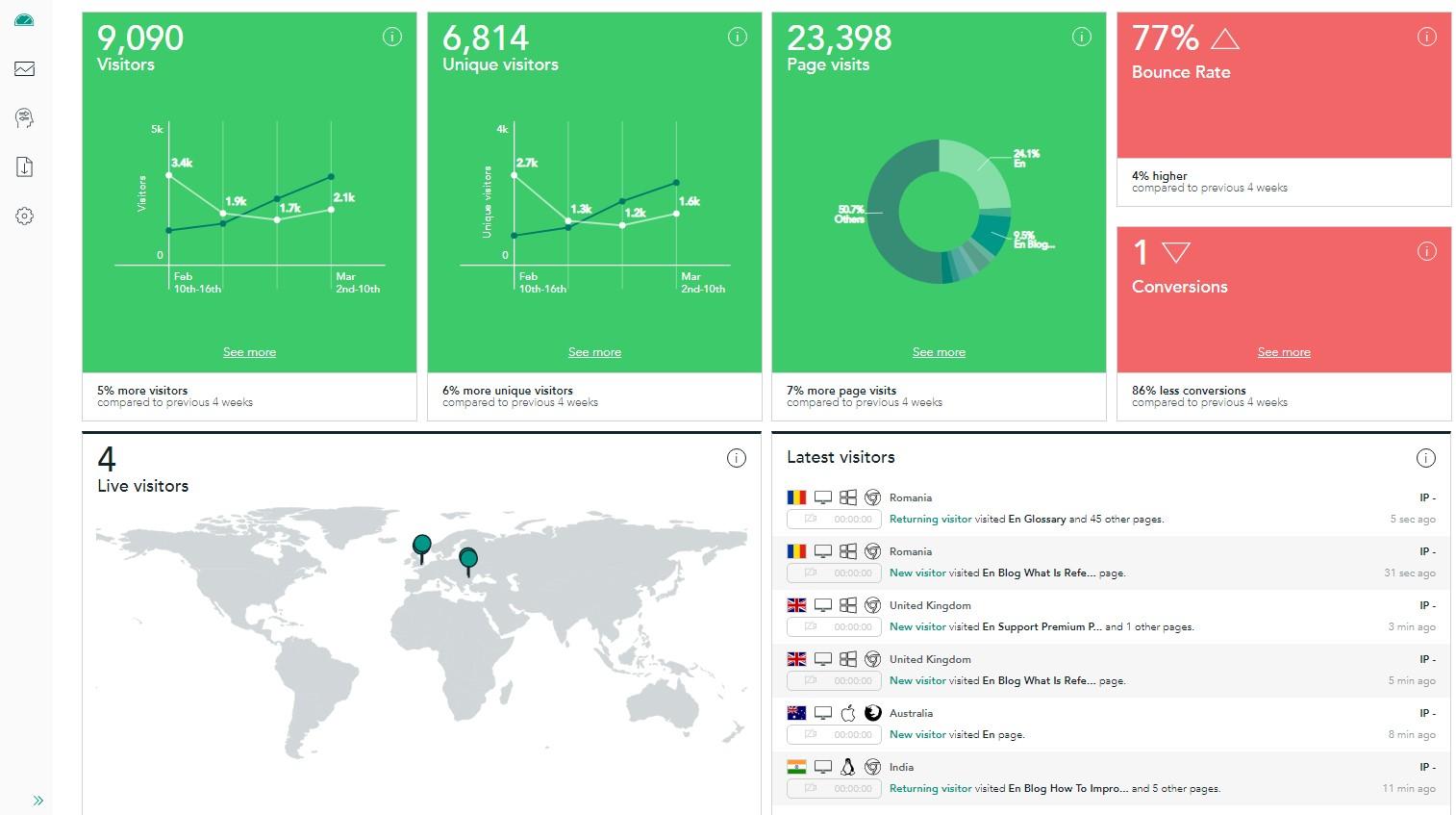
Image credit: Visitor analytics, CC BY-SA 4.0, via Wikimedia Commons
Outbound and SEO solve different demand problems. The smartest B2B teams choose based on sales urgency, market maturity, and how fast they need pipeline to show up.
Key Takeaways
- Outbound creates control and speed. SEO creates durable demand capture and lower long-term CAC.
- The right first investment depends on urgency, sales capacity, and whether your market already searches for your offer.
- The best growth systems use outbound and SEO together instead of treating them like competing bets.
What Outbound Does Best
Outbound is strongest when you need pipeline now. It lets you target a defined ICP, move quickly, test positioning, and create conversations before your site has enough authority to rank for the terms that matter most.
For founders who need to validate messaging, outbound also produces fast feedback. Replies, objections, and meeting quality tell you a lot about where your offer is resonating and where the narrative still needs work.
What SEO Does Best
SEO is strongest when your buyers actively search for the problems you solve. It compounds over time, lowers dependence on paid traffic, and creates a durable content asset base that sales can keep using long after publication.
When done correctly, SEO also improves close rates because buyers reach you after self-educating through your content. That usually means better-fit conversations and a smoother sales process.
How to Decide Which Channel Comes First
If you need meetings in the next 30 to 90 days, outbound usually comes first. If you already have product-market fit, some sales capacity, and a website that can support ranking assets, SEO should start early too because the compounding clock matters.
The wrong move is waiting until one channel is perfect before starting the other. In practice, many high-performing B2B teams begin with outbound for speed while using those market insights to shape the first commercial-intent SEO pages.
- Choose outbound first when urgency and account targeting matter most
- Choose SEO first when search demand is proven and patience exists
- Combine both when you want faster learning plus long-term efficiency
Why the Best Systems Integrate Both
The highest-leverage approach is not SEO or outbound. It is using outbound to surface buyer objections and messaging angles, then turning those insights into service pages, comparison content, and FAQ assets that rank and convert.
When search and outbound share the same positioning, proof points, and offer language, your brand becomes much more coherent. Buyers see the same story whether they discover you in Google, AI search, or a well-timed cold email.
Frequently Asked Questions
Is outbound faster than SEO?
Yes. Outbound can generate conversations much faster because you control who you reach and when. SEO generally takes longer to compound but creates more durable long-term demand capture.
Does SEO produce higher-quality leads than outbound?
Often yes, because searchers are self-identifying their intent. That said, well-run outbound can create excellent-fit conversations when targeting and timing are strong.
Should B2B companies run both at once?
Usually yes. Outbound gives speed and market feedback while SEO builds the long-term asset base that lowers CAC over time.
Need Help Choosing the Right Mix?
We can model the fastest path to qualified pipeline and show where SEO, outbound, and automation should work together in your current growth stage.