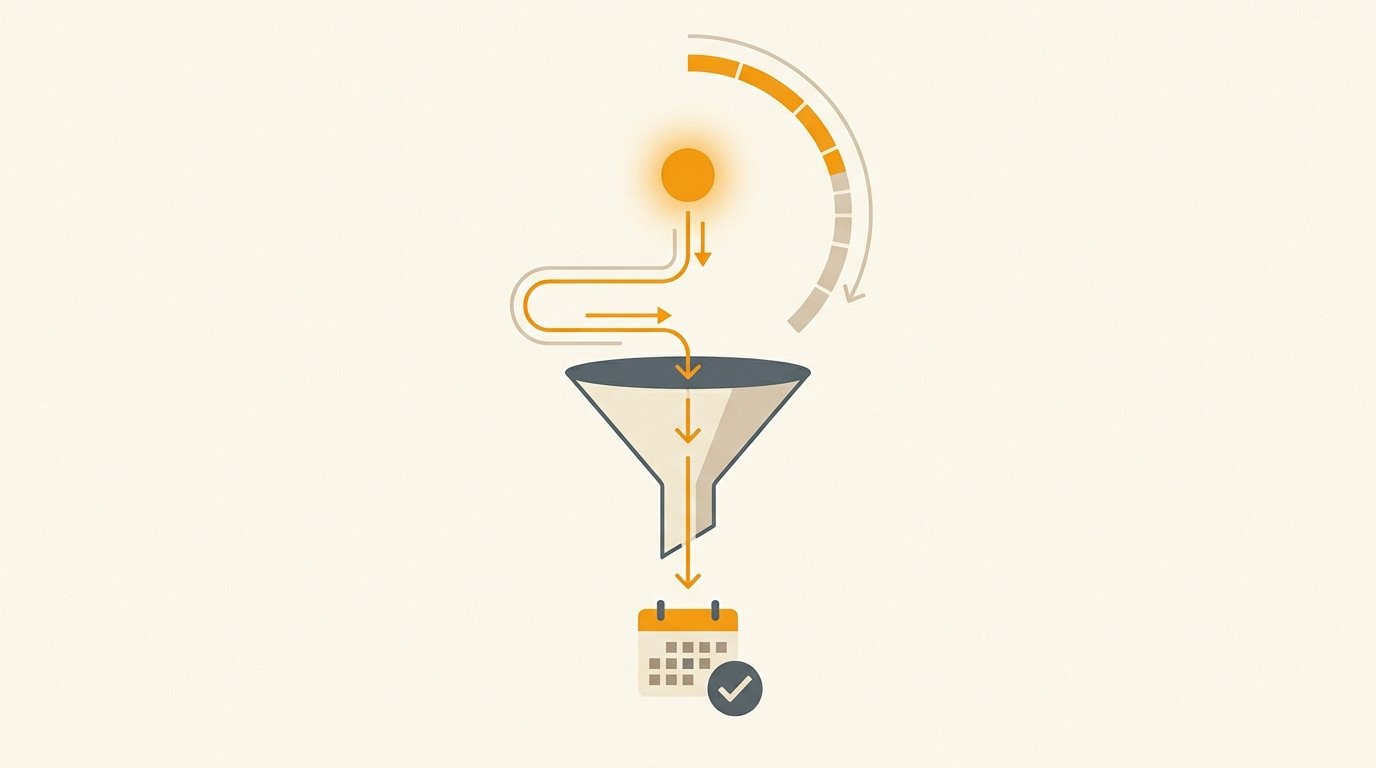
The Signal-First Outbound Manifesto
Why spray-and-pray is dead and how to reach buyers who are actually ready to buy. A complete guide to intent-based outbound.
Read Full Playbook →Field notes and technical guides on commercial search, AI answer-engine citations, signal-based outbound, and RevOps and CRM automation architecture. Written by Joseph Perkins.
Why spray-and-pray is dead and how to reach buyers who are actually ready to buy. A complete guide to intent-based outbound.
Read Full Playbook →Signal-based prospecting, trigger-event qualification, and outbound execution.

Hiring an in-house SDR costs $95K to $115K loaded with a four-month ramp, while legacy outsourced SDR shops charge $6K to $10K per month to dial unverified lists. Here is the unit math comparing both against a signal-based outbound engine.

A B2B cold email agency costs $3,000 to $8,000 per month in 2026, yet most retainers collapse by month three. Here is the unit math behind rented mailbox farms, single-pass email verification, and why signal-triggered lists beat firmographic volume.
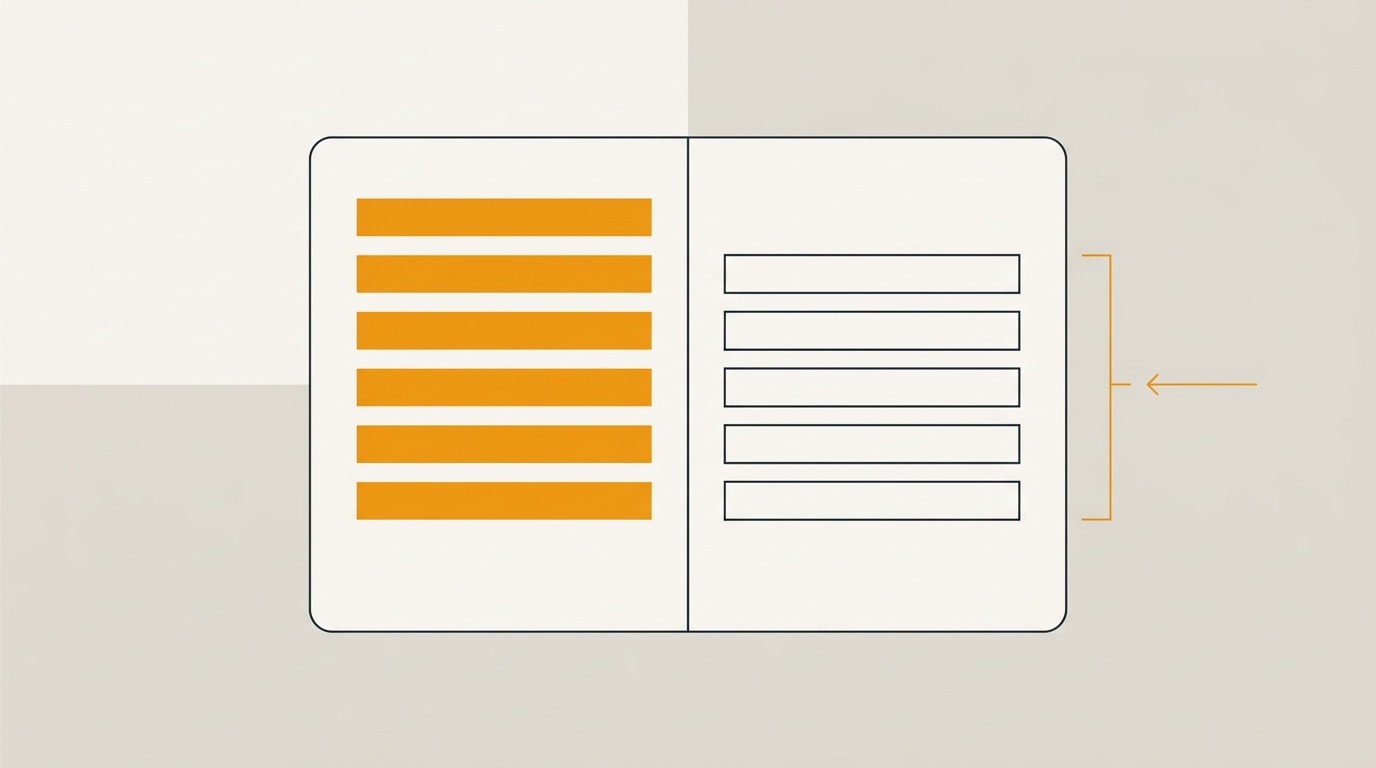
Every ICP template asks for industry, size, revenue, geography and titles. You can fill all of those in from memory in twenty minutes, and a list built from them still fails. Here is the template with the fields that decide whether outbound works.

Every page-one result for this term is a list of tools published by a company selling one of the tools. None of them ask whether you have a tooling problem at all. Here is how to tell which of the four jobs is actually broken before you buy anything.

Most personalized cold email examples just swap in a first name. Here are five built on real buying signals, plus the data on why signal-based personalization earns replies and merge tags get ignored.

Most LinkedIn outreach automation tools sell a bot that acts on your behalf. That is the exact behavior LinkedIn blocks. This guide shows what is safe to automate and where LinkedIn belongs in a working outbound system.

The data on the best time to send a cold email is clear: Tuesday through Thursday, mid-morning, recipient's local time. Here is the honest version, with the exact windows and why send time is the smallest lever in your outbound.

SPF, DKIM, and DMARC are not competing options to pick between. They stack, they became a pass-fail gate in 2024, and the part that quietly breaks deliverability is a word most guides skip: alignment.

Smartlead and Instantly have grown into near-twins. The right pick comes down to one question about how you run outbound, and either way the platform is the smallest lever in the operation.

Warmup tools are sold as the fix for cold-email deliverability. They are not. Here is what warmup actually does, why automated engagement pools are risky, and how to pick a tool for the job you actually have.

Most deliverability checklists are a flat pile of equal-weight items. Sort them into three tiers by what kind of variable each one is, and the list becomes a diagnostic that tells you what to fix first when your mail lands in spam.

Every subject-line listicle ranks lines by open rate. Apple broke that metric years ago. Here is how to choose and test cold email subject lines by the number that still means something: replies.
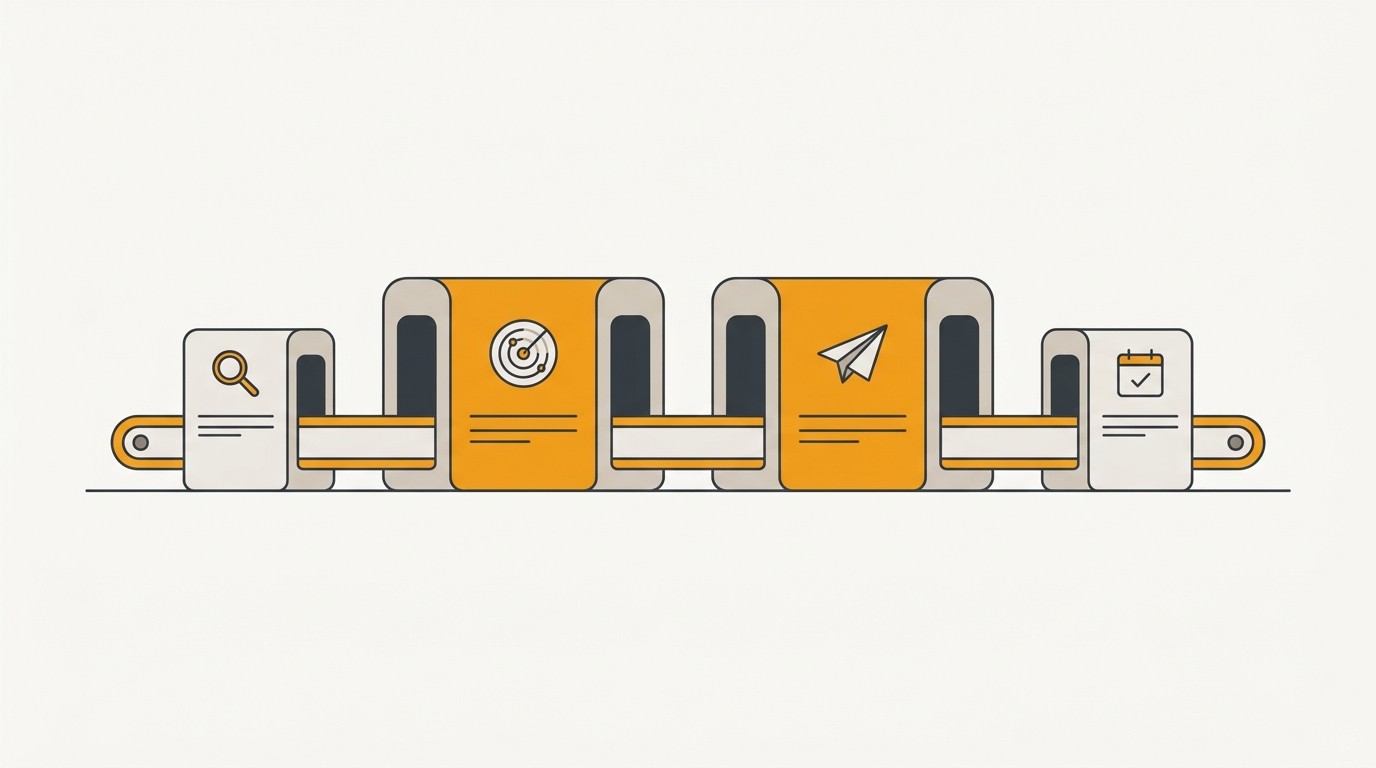
A prospecting tool does not create pipeline. It shortens the distance between a buying signal and a relevant first touch. Once you see the four jobs a stack really does, most buying decisions get simpler, and the money moves to the jobs that actually book conversations.

The best cold email template sent to the wrong person loses to a plain one sent to the right buyer on the right trigger. Here is how to build templates as a repeatable structure, and why the copy is the smallest part of the result.
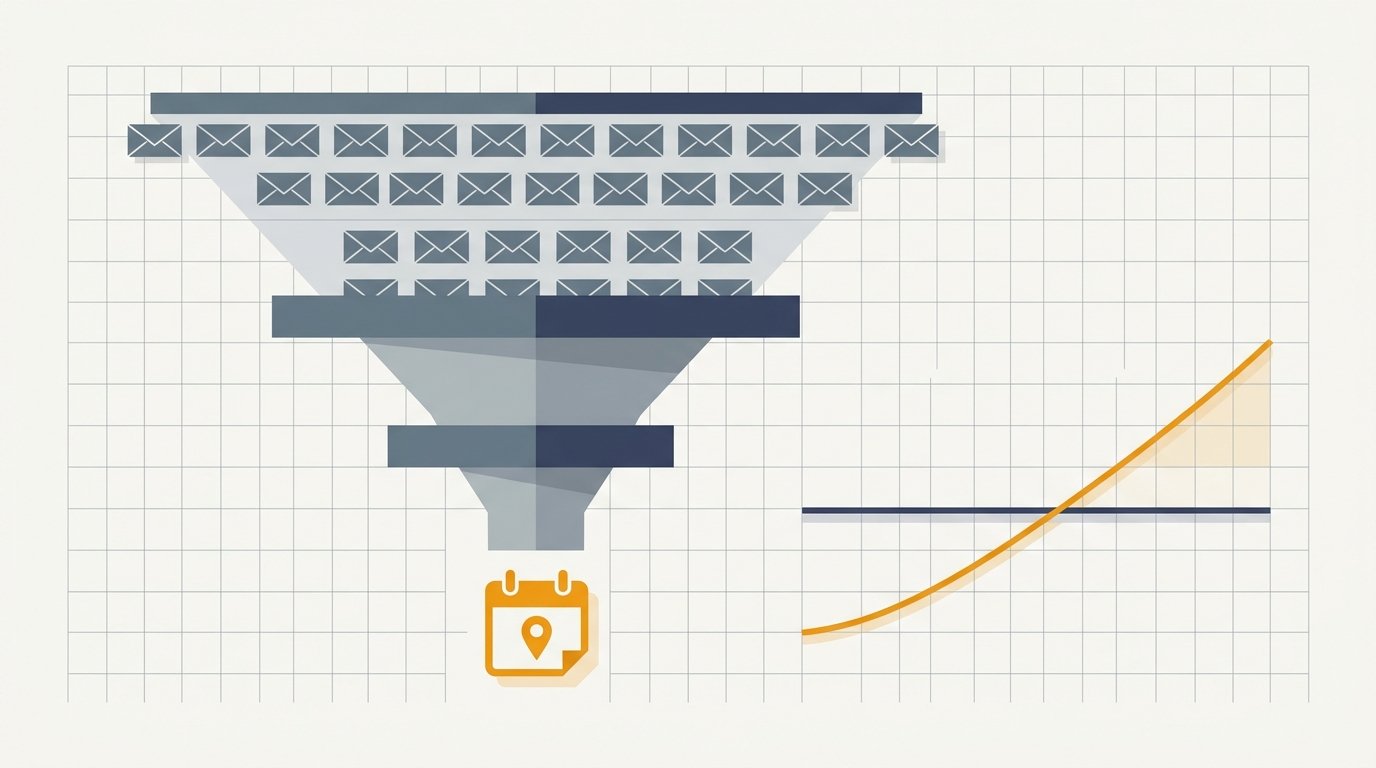
Most outbound ROI calculators report a flattering multiple off an understated cost base. Here is how to model it the way a CFO would: cost per booked call, a fully-loaded denominator, and a payback window.

Most B2B sales prospecting advice still treats it as a volume game played by one rep. The data says the job moved: buyers build their shortlist before they ever reply. Here is how to prospect for that reality.
Cold email infrastructure is a depreciating asset with a burn rate, not a one-time setup. Here is how to size it and what the provider crackdowns changed.

Most lemlist alternatives lists rank by SEO, not by buyer fit. Teams leave Lemlist for three specific reasons. Match the alternative to the reason, not to the feature count.

Authentication, sending behavior, and complaint-rate management. After the 2025 enforcement shifts, the third layer decides whether cold campaigns survive.

Most Instantly alternatives lists rank tools by features. The real question: which problem are you solving? Four buyer profiles, four short answers.
Most Apollo.io roundups swap one all-in-one for another. The better question: keep buying a bundled data-plus-sender, or split the stack?

The tool is 15% of cold email outcomes. Infrastructure, signals, and sender rotation drive the other 85%. Match the platform to your operator capacity.
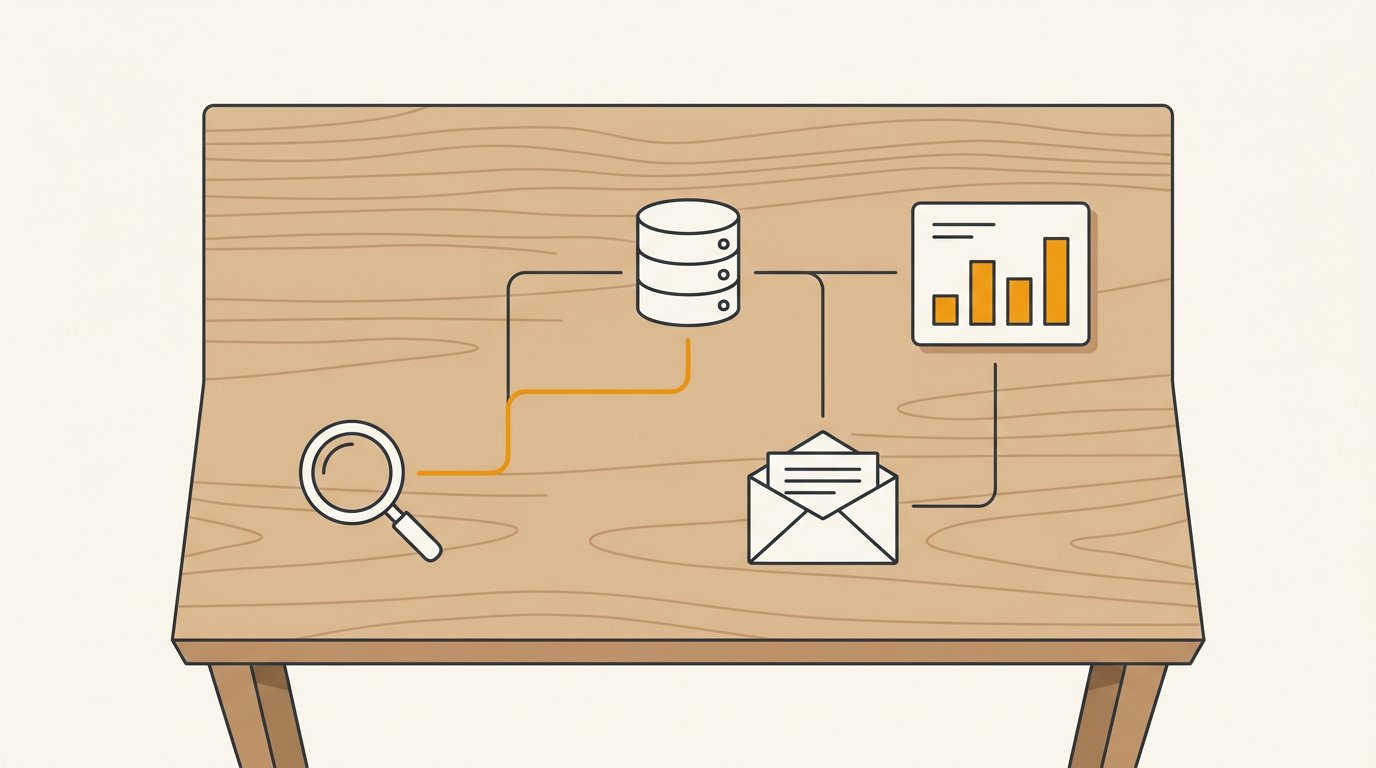
Most B2B prospecting tools lists rank vendors. Buyers want a coordinated system. Here is how the 2026 stack fits together for teams under $10M revenue.
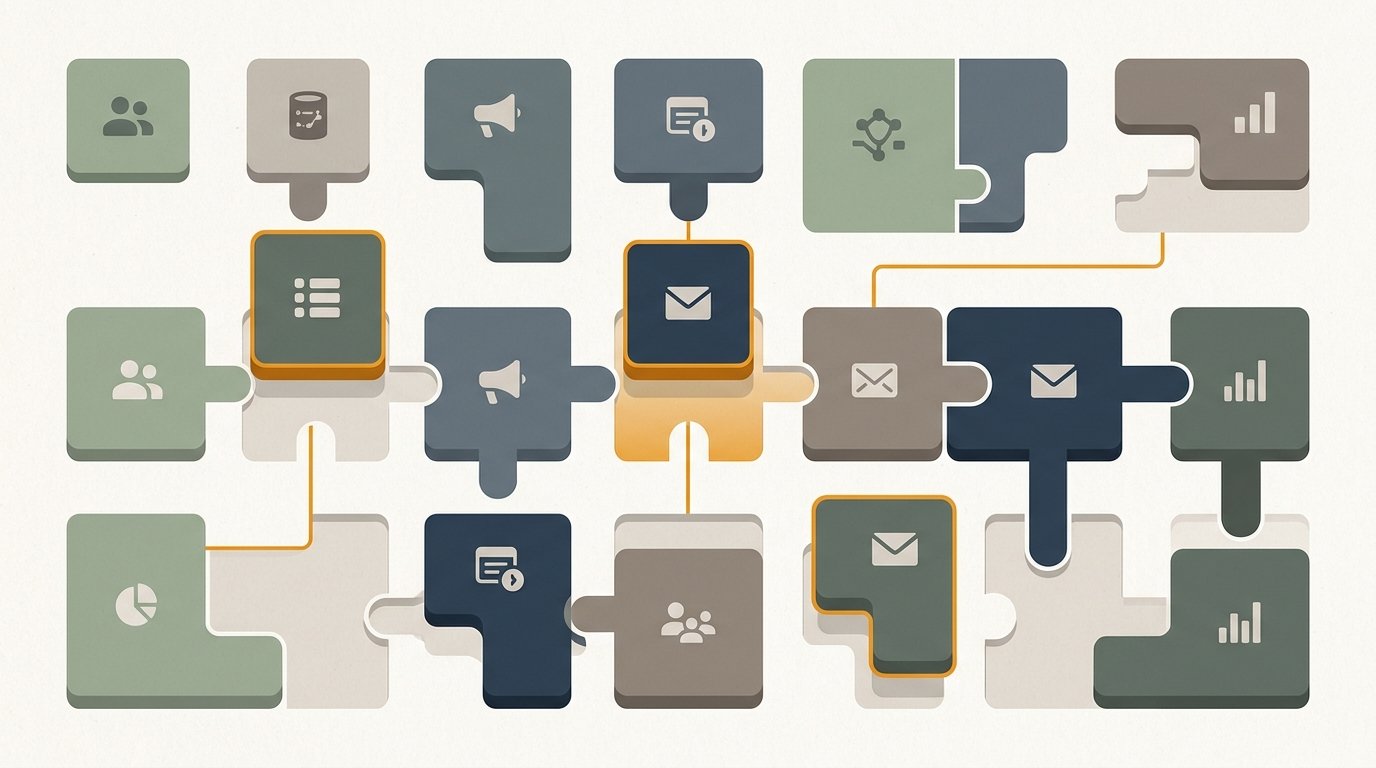
Most Clay alternative posts compare features. The real question: which alternative replaces the Clay job you use it for? Here is the framework.
Commercial-intent SEO, AI answer-engine optimization (ChatGPT, Claude, Perplexity), and bottom-of-funnel conversion pages.

B2B SEO agency pricing in 2026 ranges from $3,000 to $10,000 per month, yet paying for blog volume or backlink quotas loses money when 68% of searches end without a click. Here is what each pricing tier includes and how to buy commercial pipeline instead of traffic.

Most vendors calling themselves an AI SEO agency use language models to publish cheap blog volume, while real AI search engineering wins brand recommendations in ChatGPT, Perplexity, and Google AI Mode. Here is the empirical framework to tell them apart.

Most B2B demand generation agencies sell brand awareness with no calendar accountability, while lead gen shops burn your market with unverified volume. Here is how to evaluate both models and build a connected three-engine system that reports on booked sales conversations.
Search volume counts searches rather than buyers. In a market of 400 qualified accounts, sorting a keyword list by volume is close to sorting it at random. Here is the number to rank it by instead, and why the page-per-persona instinct works against the deal.
Most SEO KPI frameworks were written for marketing teams with enough deal volume to build ratios. If you close a handful of deals a month, half those numbers move on a single customer. Here is the reporting set that holds up, and the forward calculation nobody runs.
Most SaaS companies asking how to generate more leads already generate enough. Here is the arithmetic that tells you whether your problem is volume or the path from a form fill to a held sales conversation.

Every guide to link building outreach teaches the same four steps and skips the numbers. Here is what outreach actually returns per email sent, what personalization is measurably worth, what follow-up adds, and why the ask itself may be the wrong one now.
Almost every guide on landing page conversion optimization stops at the form submission. For a B2B page that has to produce sales conversations, the form is the midpoint. Here is what the other half costs you, with the arithmetic.

Every SEO reporting template ranks the same way: a stack of metric categories with an executive summary as a lid. Here is a template organized around the only question the budget holder is actually asking, including how to report the numbers Google no longer gives you.

Link building needs five jobs covered, not sixteen tools bought. Here is the stack worth paying for, what it costs per placed link, and why the software is the cheap part.

Most keyword research checklists only know how to add. This one is four gates a keyword has to survive before it earns a slot on your calendar, plus what to do with the ones that fail.

Most technical SEO audit checklists are 150-item inventories sorted by crawler severity. Here is the same audit reordered into four layers, worked in sequence, with the AI-crawler checks the standard template misses.

A keyword gap report tells you what your competitors rank for. It does not tell you whether those rankings make money, whether their buyer is your buyer, or whether the click still exists. Here is how to filter the export before it becomes a plan.
The SERP treats llms.txt as a required AI-visibility tactic. Data from 137,000 sites and Google's own guidance say otherwise. Here is what the file actually does for AI visibility, and where your AEO hour should go instead.

Google Preferred Sources lets your readers tell Google to show them more of you, now inside AI Overviews and AI Mode. Here is how B2B companies turn it into a fast AI-visibility win.

Google AI Mode turns one question into a dozen hidden searches. For a company that sells to other businesses, the searches worth winning are the decision queries a buyer fires while choosing a vendor, and the payoff is a booked conversation rather than a citation.
Programmatic SEO generates hundreds of pages from a template and a dataset. It still works in 2026, but only when a real dataset sits behind it. Without one, you ship thin pages that Google now demotes, and the demotion drags down the rest of your site. Here is how to tell which side of that line you are on.
Most B2B content marketing examples are outputs of enterprise budgets you can't copy. Here is how to read any example for the mechanism that transfers, sorted by the demand job it does.
Schema markup does not get you cited in AI search. The one causal study found adding it moved nothing, and Google's own docs say no special schema is required. Here is what structured data is actually for, and where to spend the time instead.
Most SEO audit templates produce a 200-item findings report that nobody acts on. Here is a B2B template that sorts pages by where revenue actually leaks, then hands you a ranked shortlist instead of a score.

Most GEO audits check your own pages and hand back a score. The citation decision gets made across three layers, and only one of them is your website. Here is how to audit all three.

Digital PR guides still sell the dofollow link. AI search has made the branded mention the asset that actually moves you, and that flips what a B2B program should aim for.

Most AI visibility tools sort themselves by price and engine count. The better question is what they measure. Here is how to pick a tool that tracks whether AI names and recommends you, beyond whether it links you.

Answer engine optimization is the work of getting cited inside AI answers, not ranked below them. The formatting checklist everyone leads with is the small lever. Here is what the data says actually decides whether you show up.
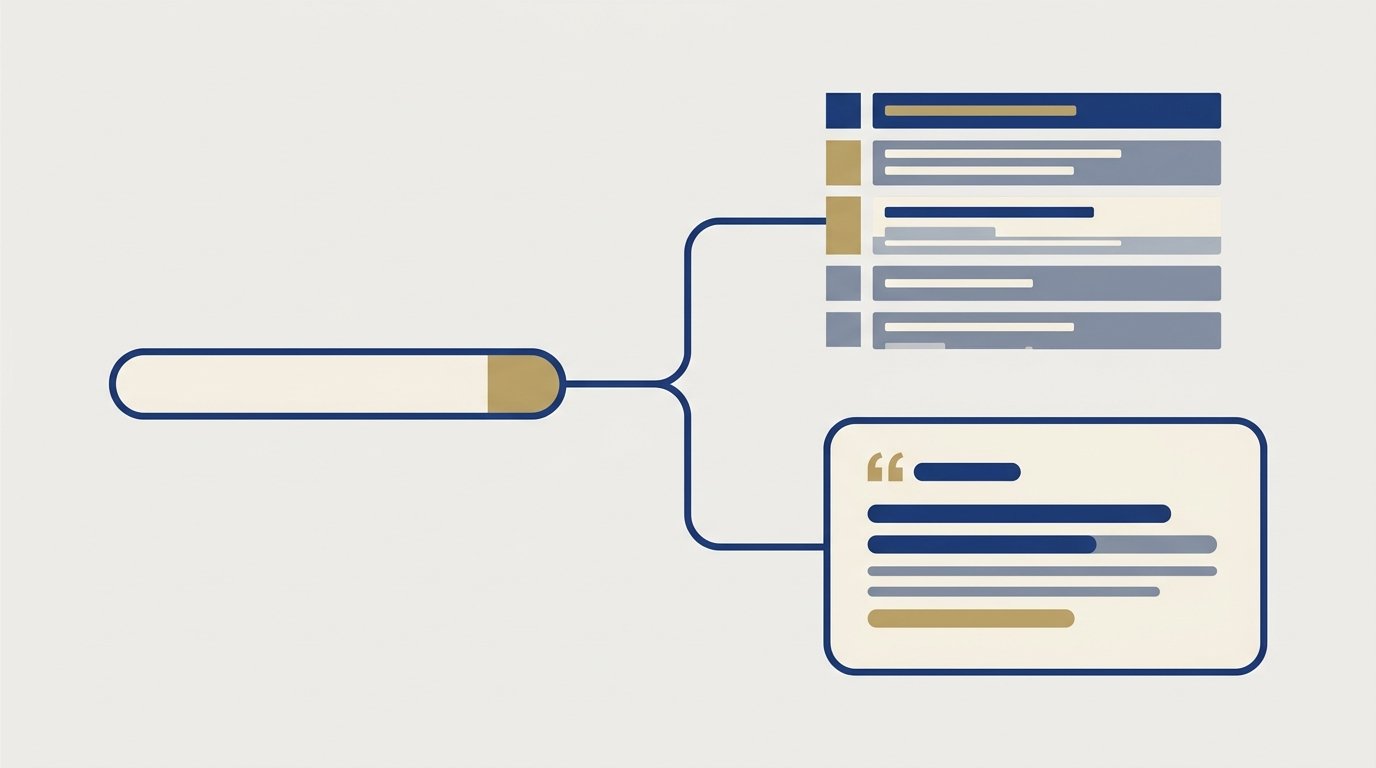
SEO and AEO are not two channels you split a budget between. They are one body of work measured at two exits, and the threat to each is asymmetric by funnel stage. Here is how to decide where your effort goes.
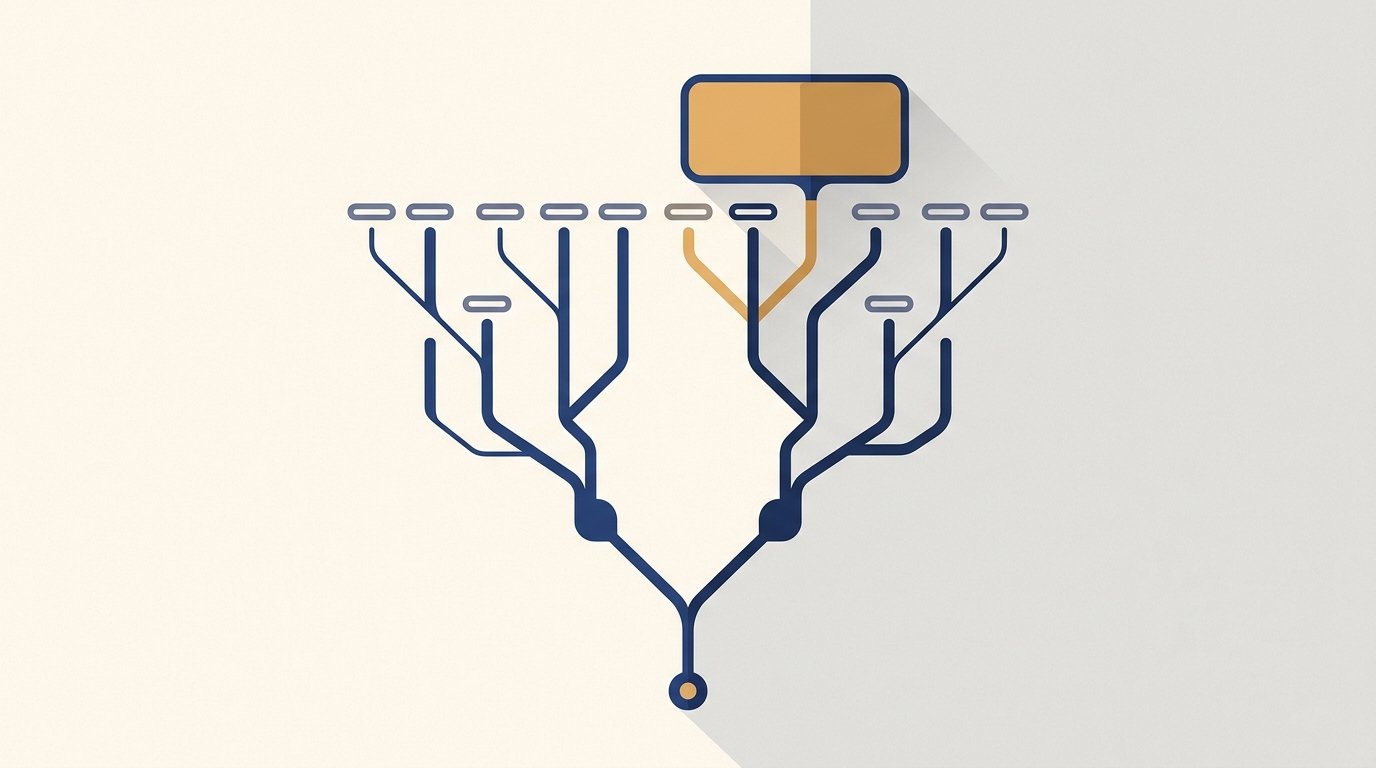
Most AI Overview optimization advice is on-page tricks Google says it ignores. The work that moves the needle is choosing which queries trigger an Overview and earning snippet-grade eligibility on those.
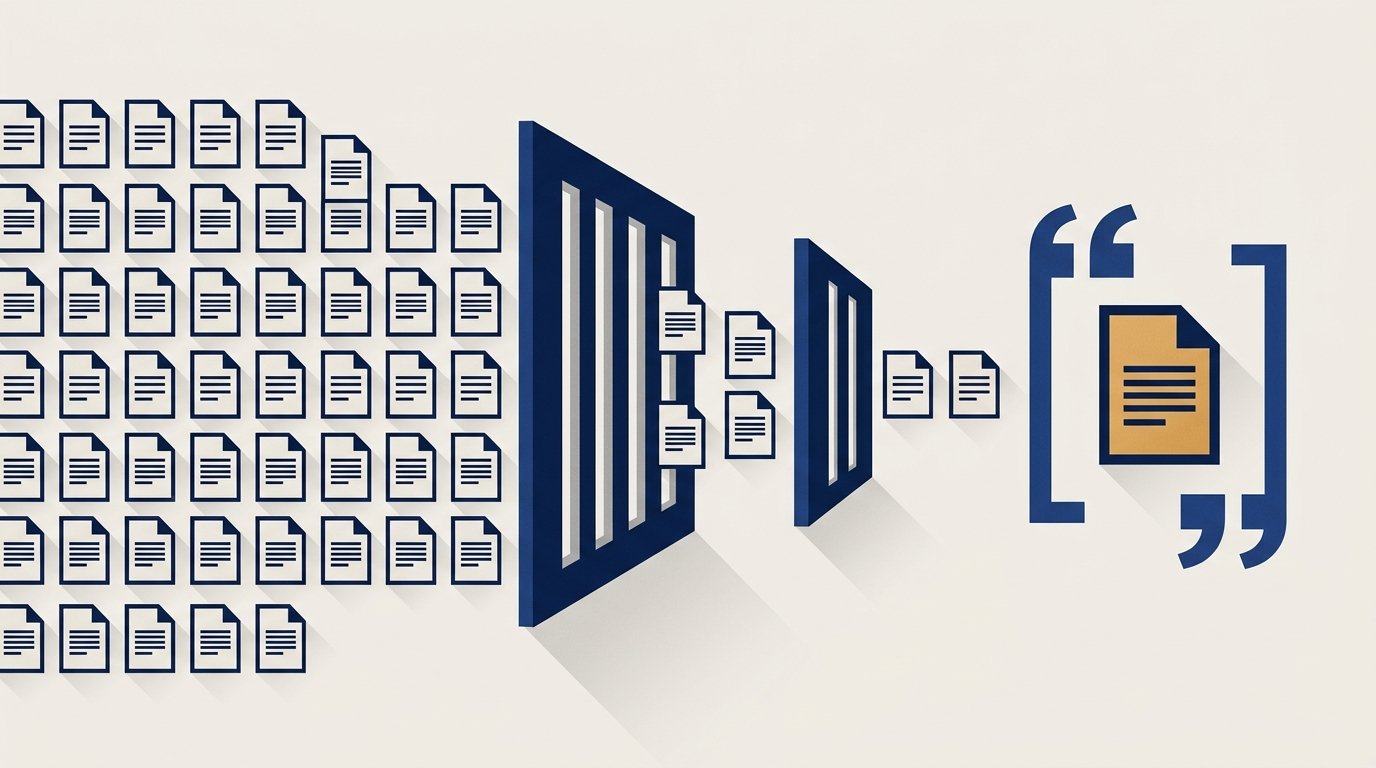
Perplexity optimization is two separate jobs, and most advice borrowed from ChatGPT guides solves the wrong one. Here is what the data says actually moves the needle.

A content brief is where a page wins or loses, written before the draft starts. Here is the eight-field template we use, and why a 2026 brief has to spec for two outcomes: the Google ranking and the AI citation.
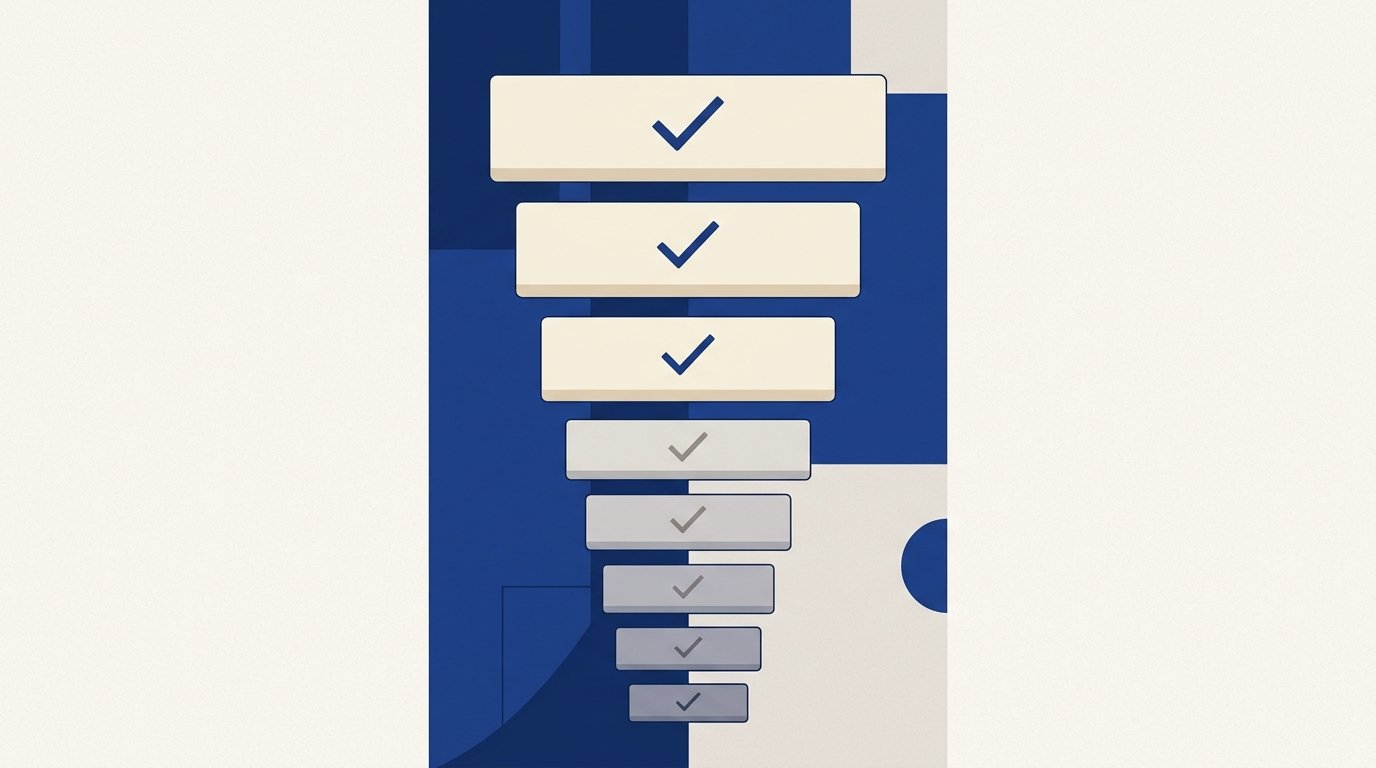
Most AEO checklists are flat lists of tactics with no order. Here is the answer engine optimization checklist ranked by what moves citations first.
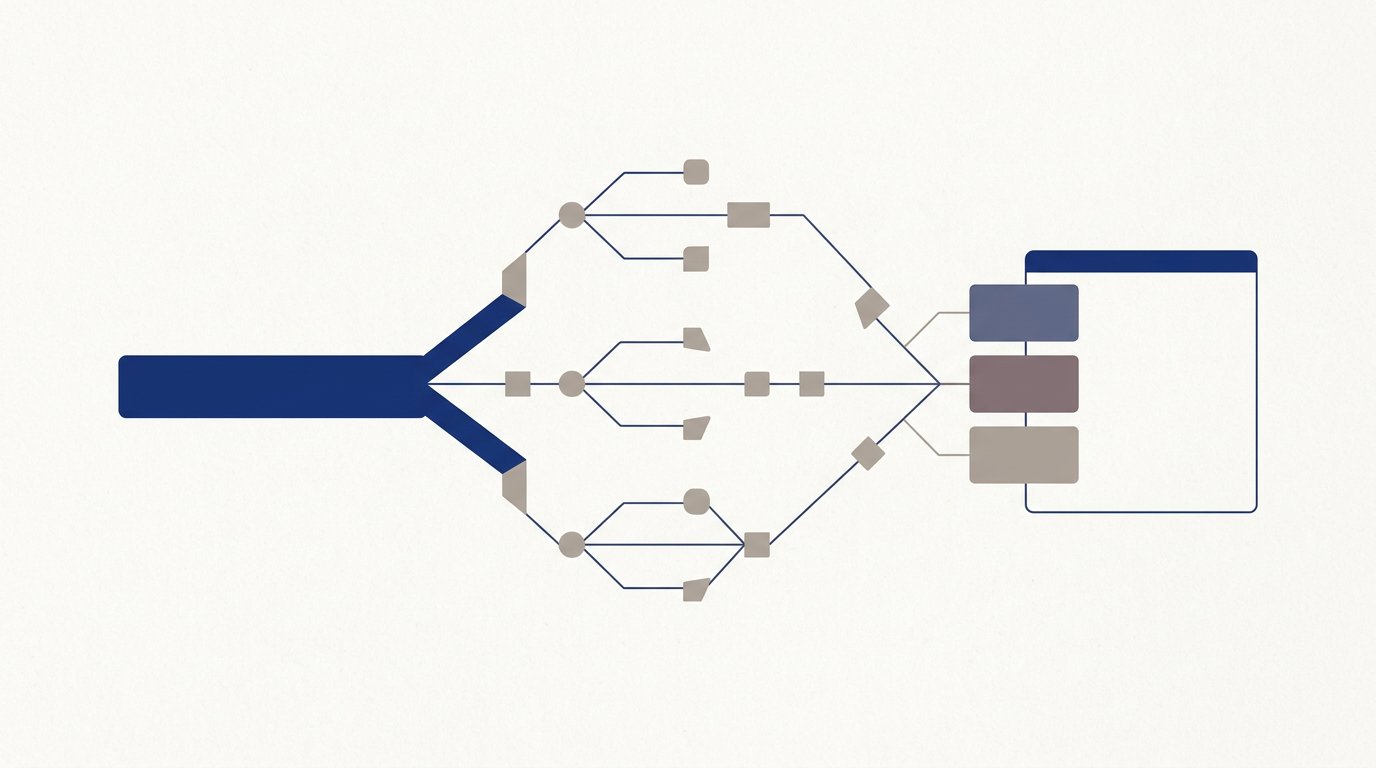
Ranking in the top 10 used to make an AI Overview citation automatic. That link dropped to 38%. Here is what earns citations now for B2B companies.
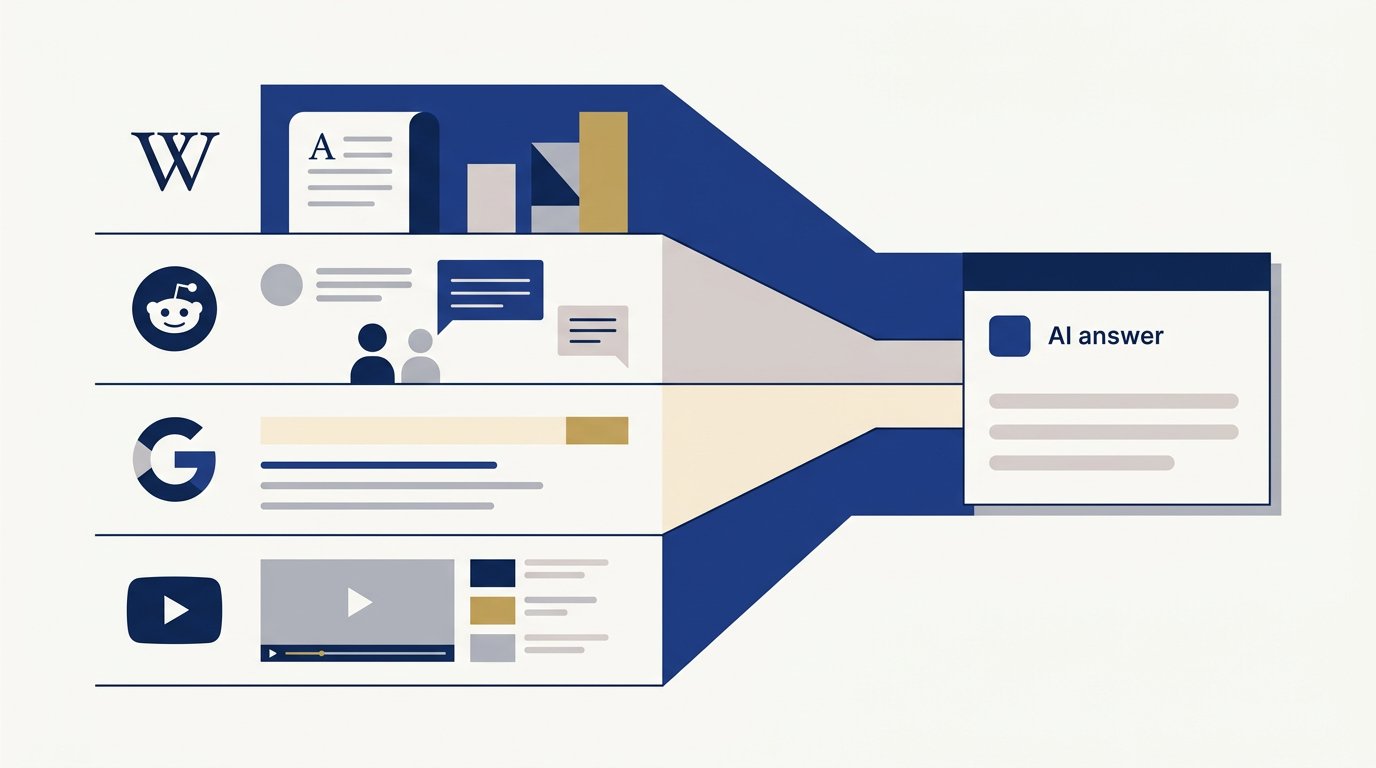
AI search isn't a ranking system — it's a risk-minimization system across four engines that pull from different evidence. Here is what moves citation share, anchored in Princeton's GEO research, Semrush's 5M-URL citation study, and the brand-mention data that now predicts AI visibility better than backlinks.
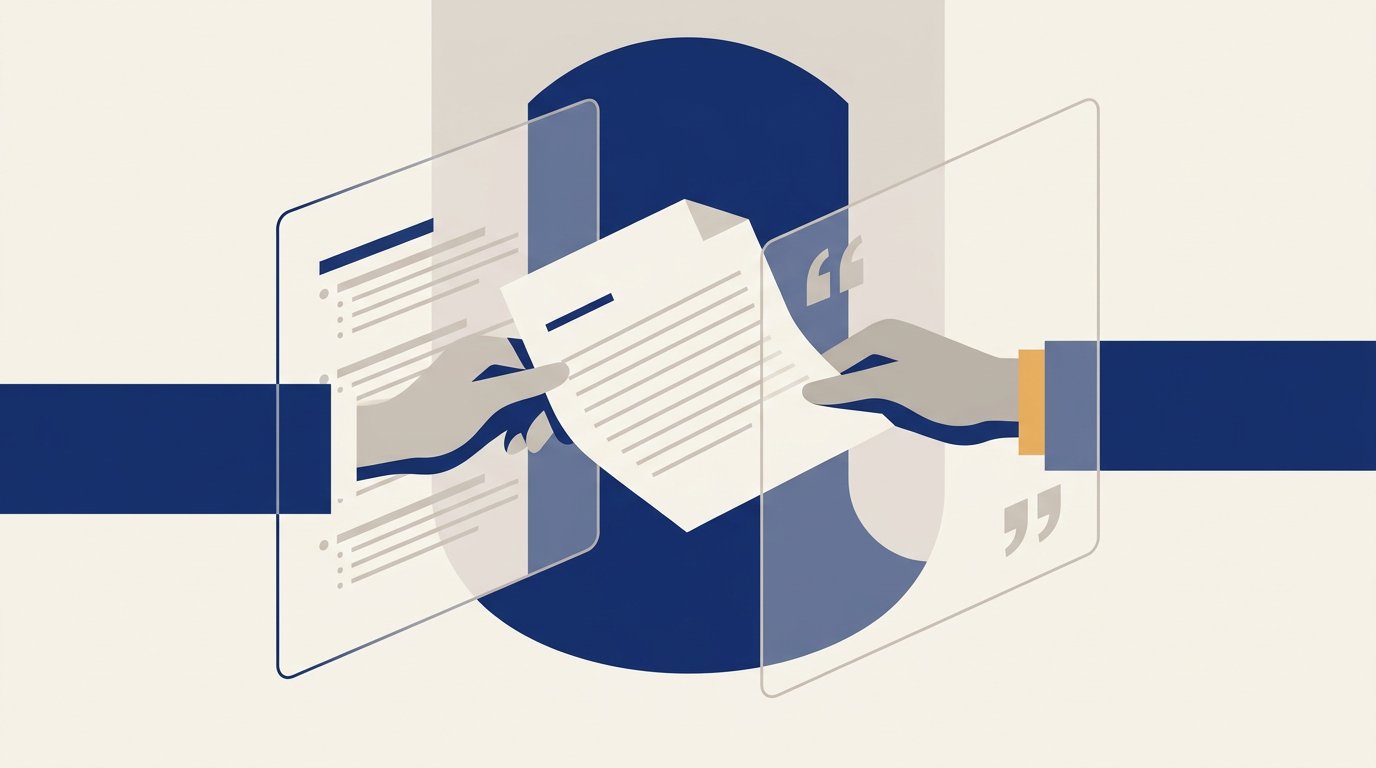
GEO and SEO are stacked layers on the same retrieval system, not competing strategies. Here is how to think about the work without the doomscroll.
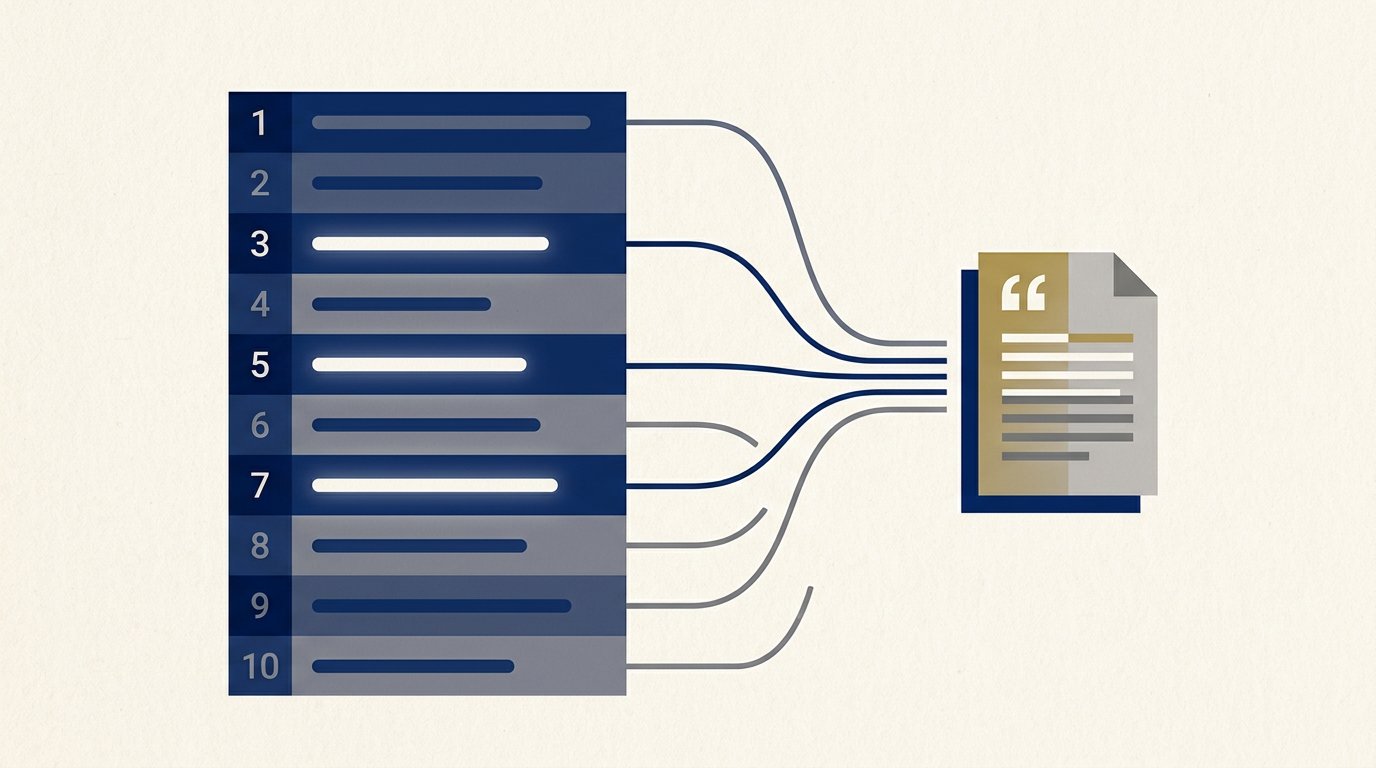
Of every major AI search engine, Perplexity has the highest overlap with Google's top 10. That single fact reshapes how you should think about ranking in it.

Most SaaS SEO strategies pour budget into top-of-funnel content while competitors own the comparison and alternative queries that close deals.
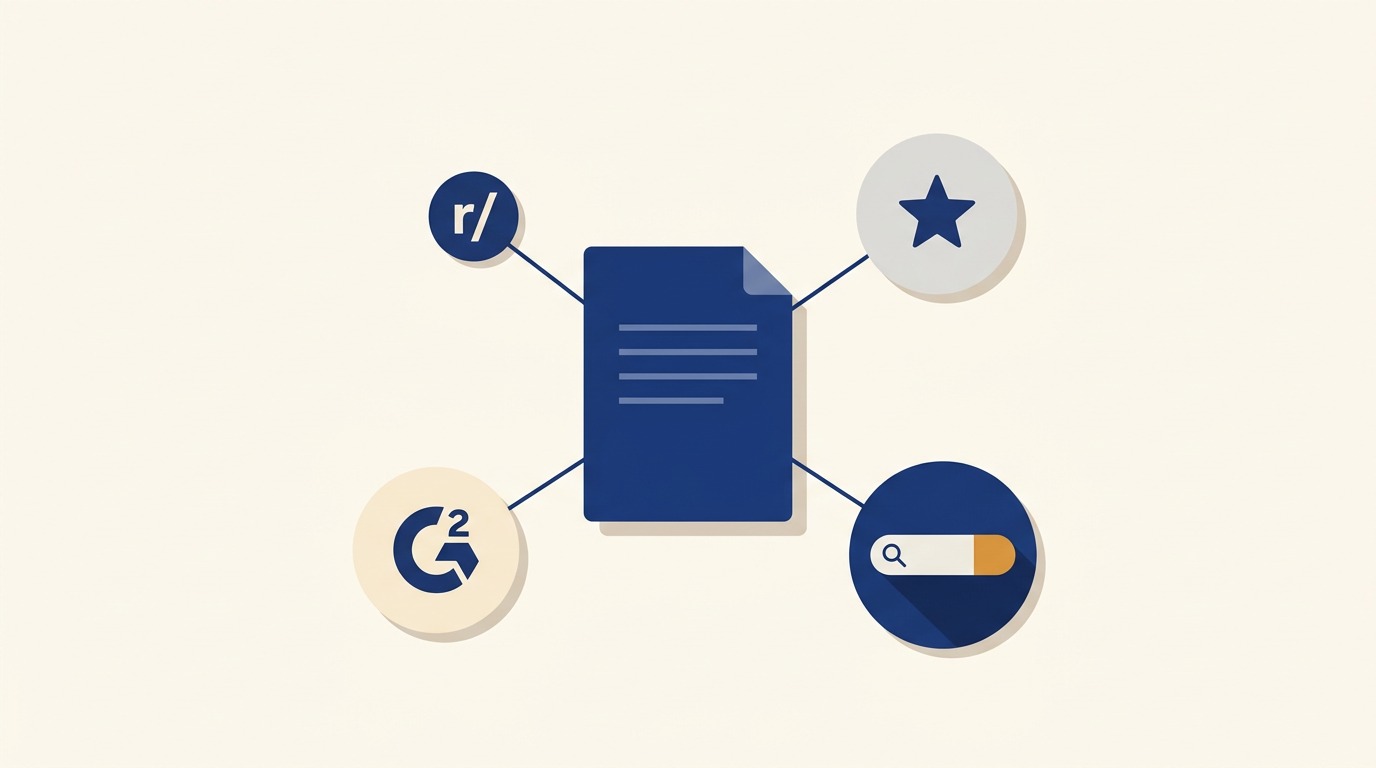
ChatGPT cites pages, it does not rank them. The signal stack lives mostly off your site on Reddit, G2, and reviews. Here is how to build for citations.
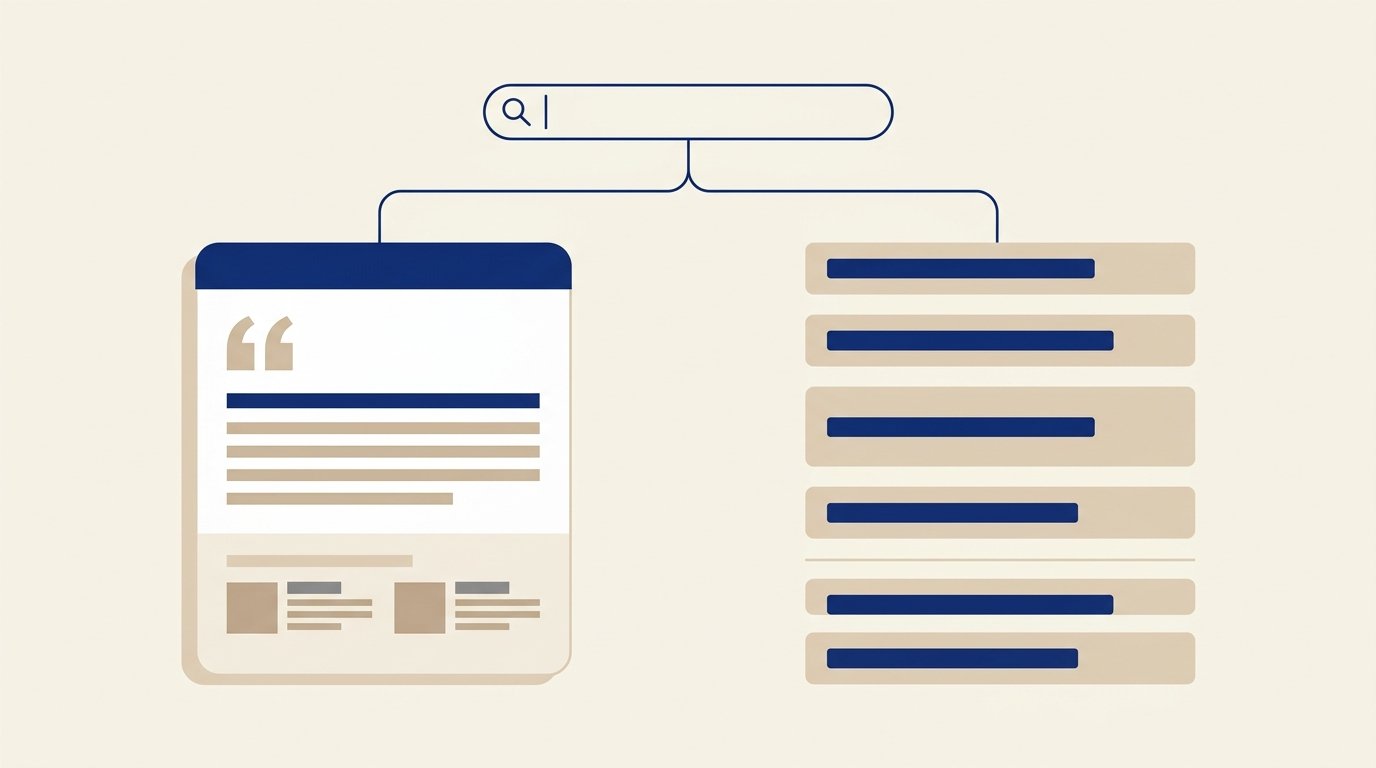
Organic CTR on AI Overview searches fell 58% in 2025. The SaaS SEO playbook from 2022 is broken. Here is what actually produces booked demos now.
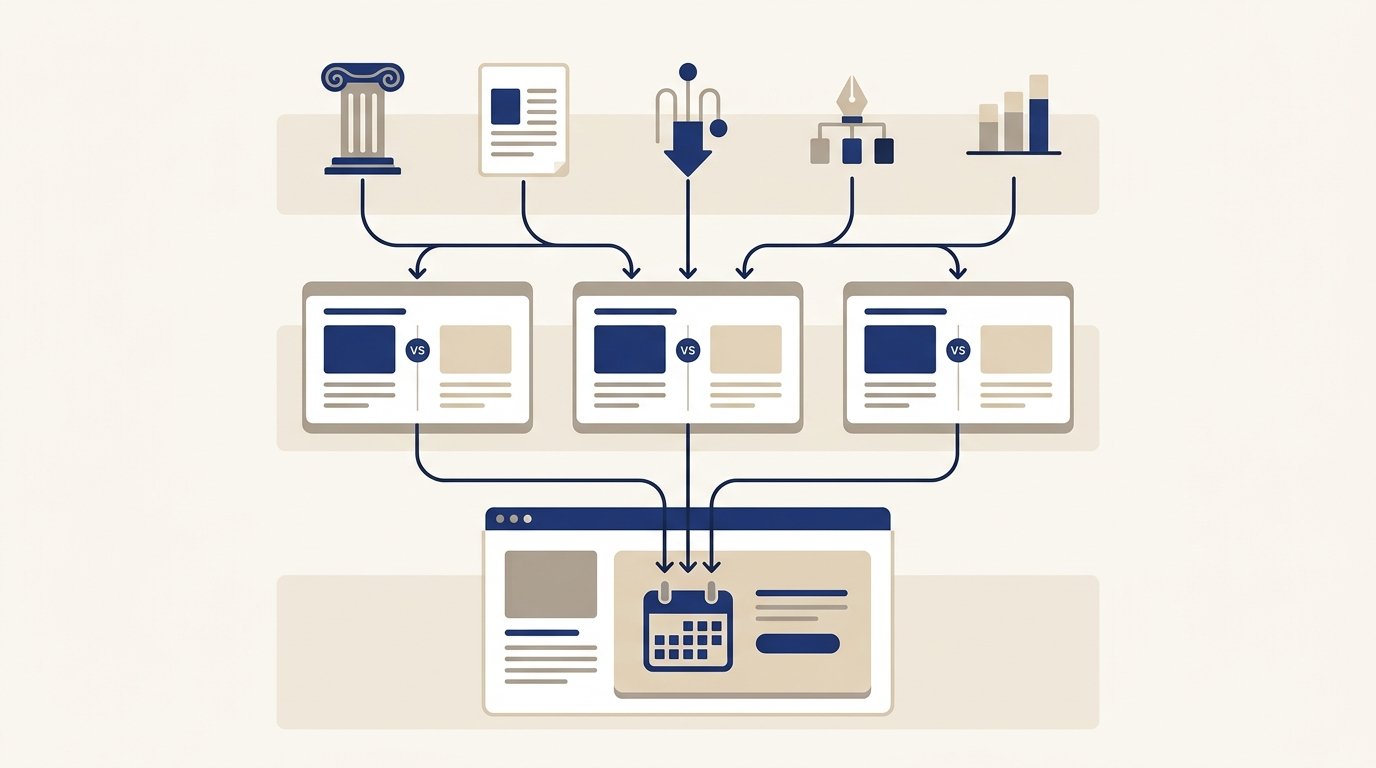
Most B2B SEO advice stops at qualified traffic. The gap is between traffic and booked sales conversations. Here is the strategy that closes it in 2026.

If a vendor calls itself a ChatGPT SEO agency, ask whether it improves your full search presence or only one surface. Here is how to tell the difference.

Weighing a B2B SEO consultant against an agency? The right choice depends on your stage, internal team, and how much execution support you need.

Evaluating generative engine optimization services? Here is what the work should include, realistic timelines, and which KPIs matter for a B2B team.

An AI search optimization agency should turn search visibility into qualified pipeline, not just chase AI mentions. Here is what that means in practice.

Shopping for answer engine optimization services? Here is what the work should include, realistic timelines, and what B2B teams should expect.

Most B2B SEO agencies can talk about rankings. Fewer can show how SEO turns into qualified pipeline. Here is how to tell the difference.

If you are vetting an answer engine optimization agency, here is what to ask, what good looks like, and which red flags usually mean you should walk away.

If you are comparing an AEO agency to a traditional SEO agency, here is what actually changes, what still overlaps, and what B2B teams should buy in 2026.
RevOps, CRM enrichment, speed-to-lead routing, and persistence sequences that carry warm replies to booked calls.

Founder-led B2B firms lose over half their qualified inbound and outbound replies between the first hand-raise and the calendar invite because manual follow-up takes 14+ hours. Here is the 5-minute routing architecture that fixes the leak.
Every buyer's guide ranks enrichment tools by coverage and match rate. We ran 25 real company domains through one and got 64%. Here is what actually decides your cost per usable record.

Most guides to AI sales automation tools rank products. The more useful exercise is mapping which steps of your sales motion survive without a human in the loop, because the vendors' own documentation draws that line more honestly than their marketing does.

Every comparison post ranks scheduling tools by price and integration count. For a B2B company, the tool is the last five percent of a booked meeting. Here is the rest of it.
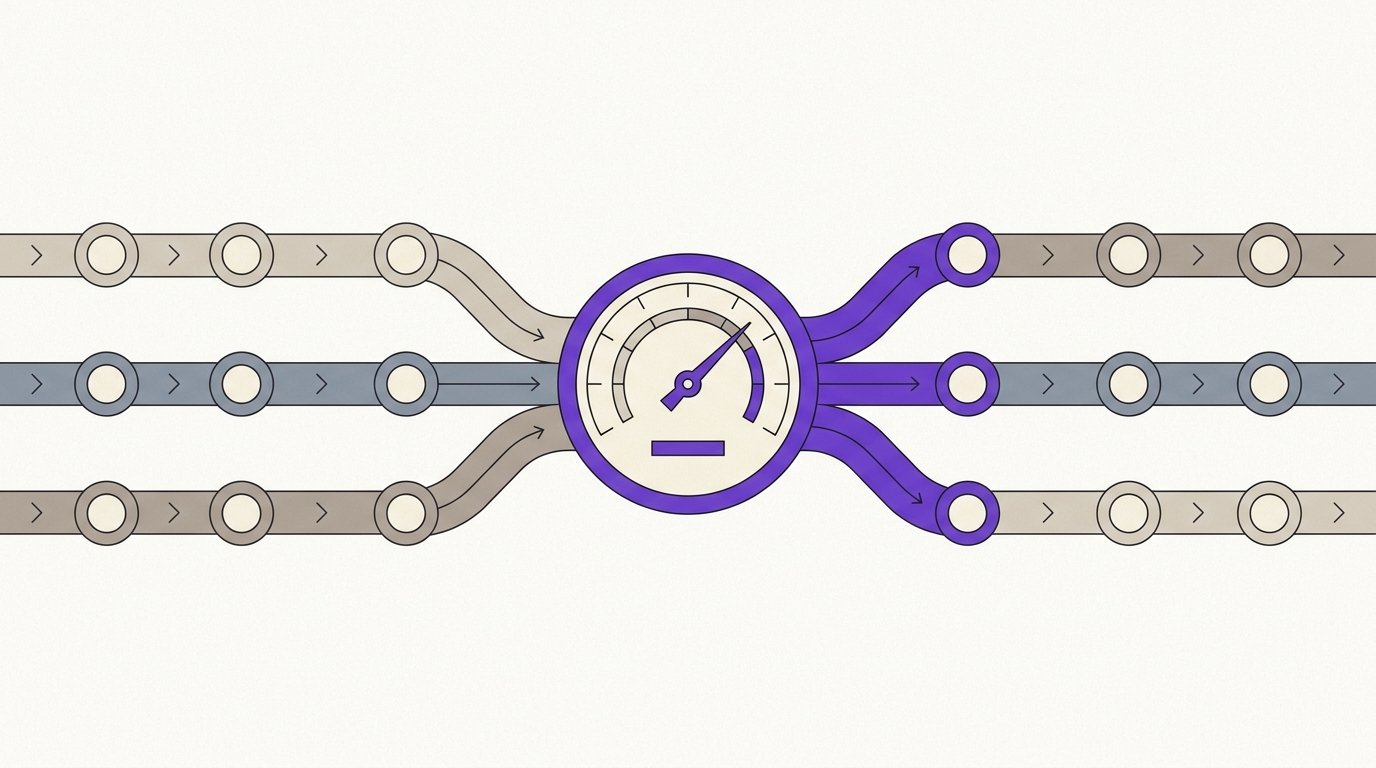
Most AI workflow automation examples are lists of things you could build. These 11 are organized by the number they move, with a test for deciding which ones are worth your afternoon.

Most lead routing guides open with a five-minute response statistic that is misattributed to Harvard Business Review. The real research points somewhere more useful: routing fast to the wrong rep is not a win, and the leak is usually downstream of assignment.
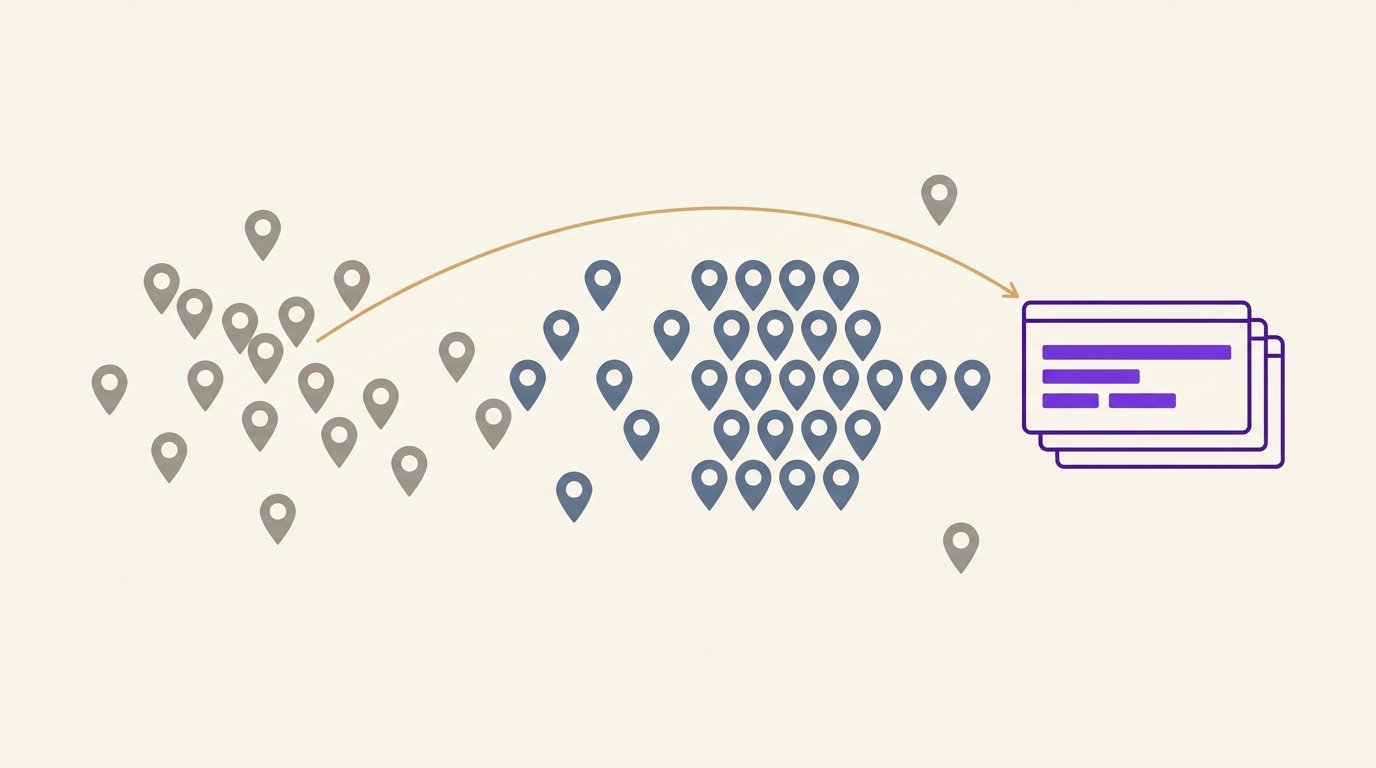
Visitor identification tools do not create demand. They shorten the gap between someone reading your pricing page and someone hearing from you. Here is what these tools can actually see, where they stop, plus how to wire one up so the reveal turns into a conversation.
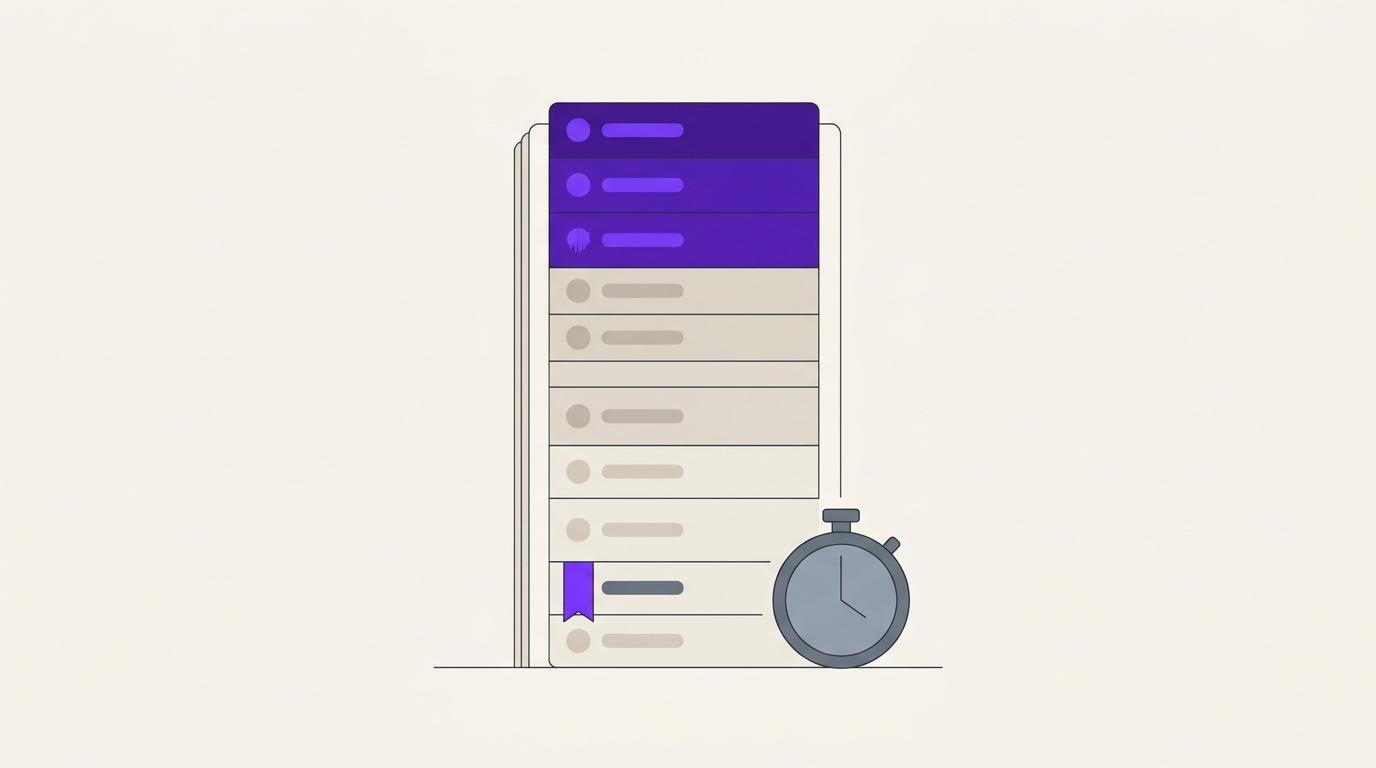
Most B2B companies shopping for lead scoring software are trying to fix a ranking problem when their real constraint is response time. How to run the arithmetic before you shop, and how to evaluate the tools when scoring is genuinely worth buying.
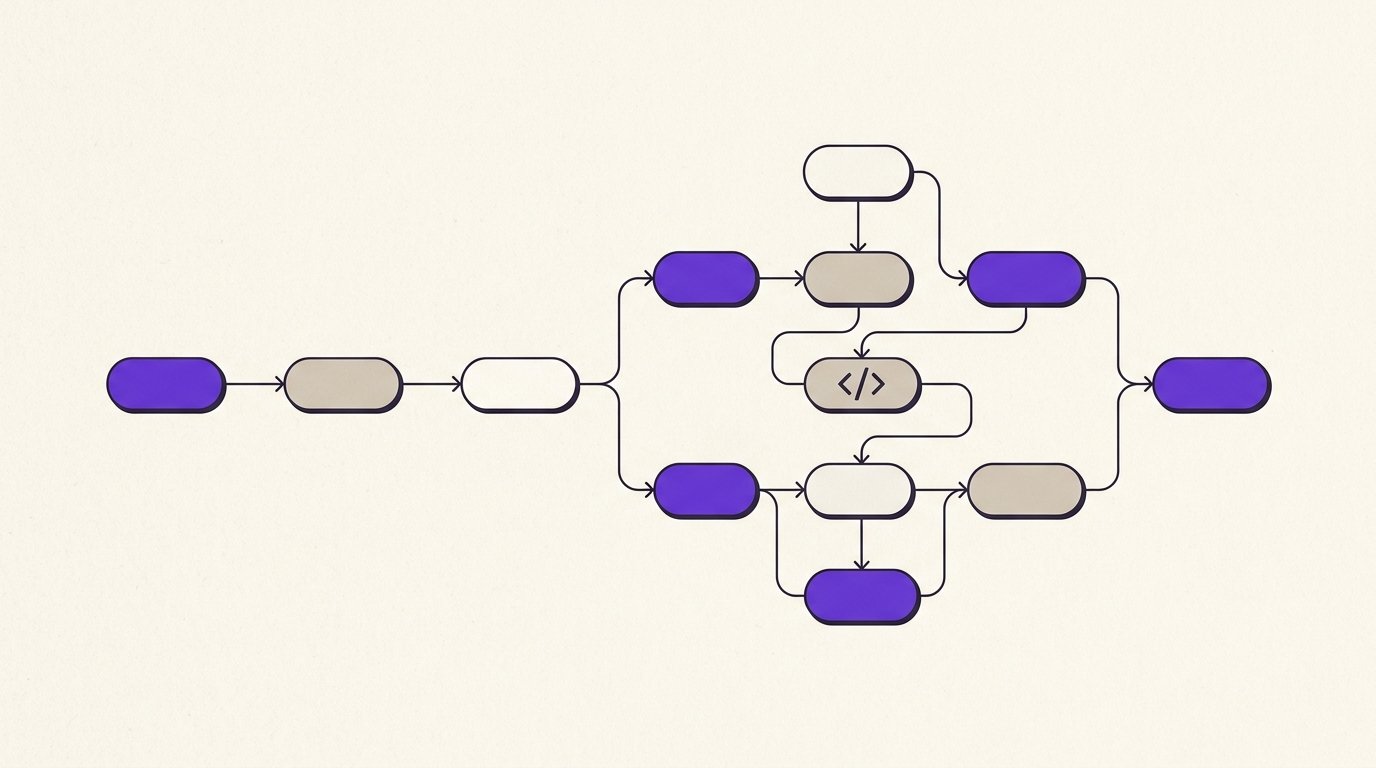
n8n vs Zapier comes down to one trade: control versus convenience. Zapier is faster to start and connects more apps; n8n is cheaper at volume, self-hostable, and built for heavier AI and data work. Here is how to decide based on what your automation is for and who owns it.
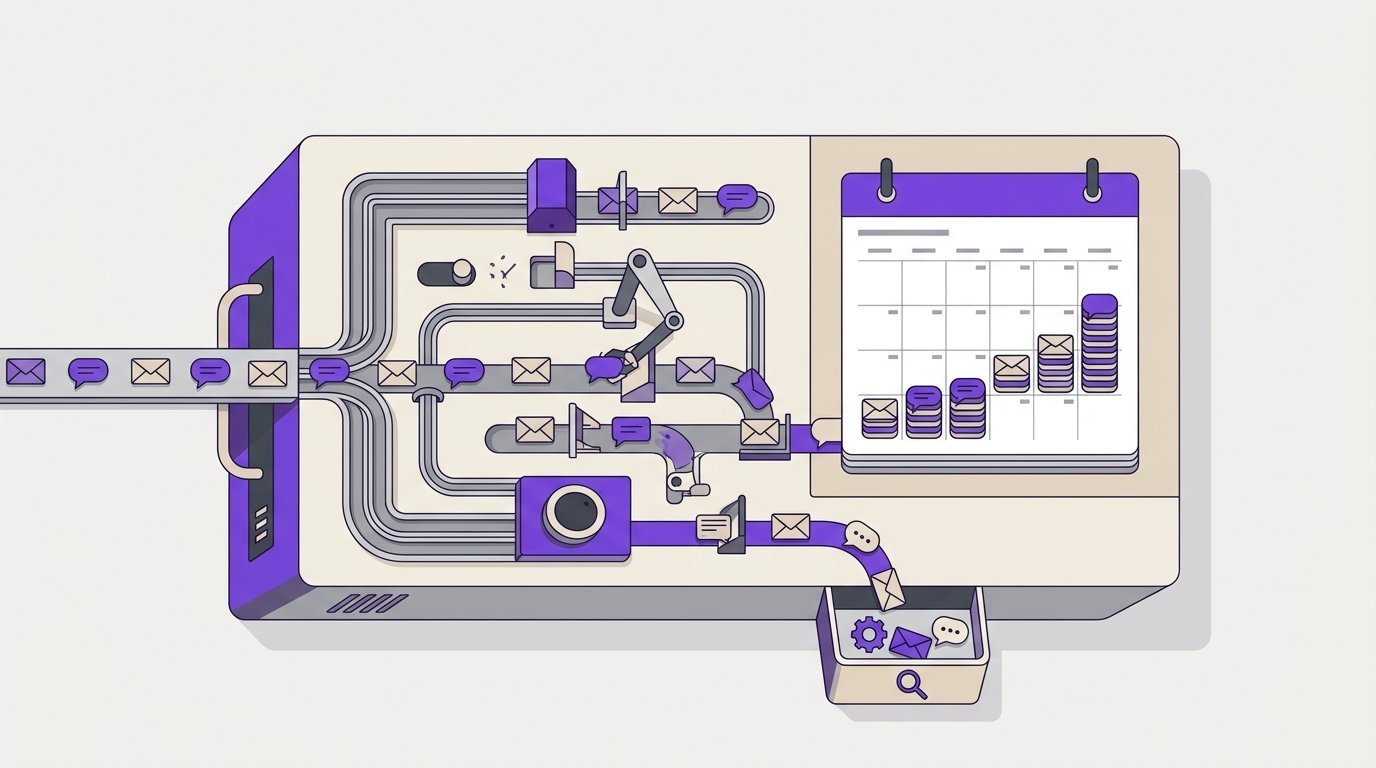
AI SDR tools promise to replace your prospecting team. The honest answer to which one is best starts with whether volume is actually your constraint. A buyer's guide grounded in what these tools do and where they quietly make things worse.
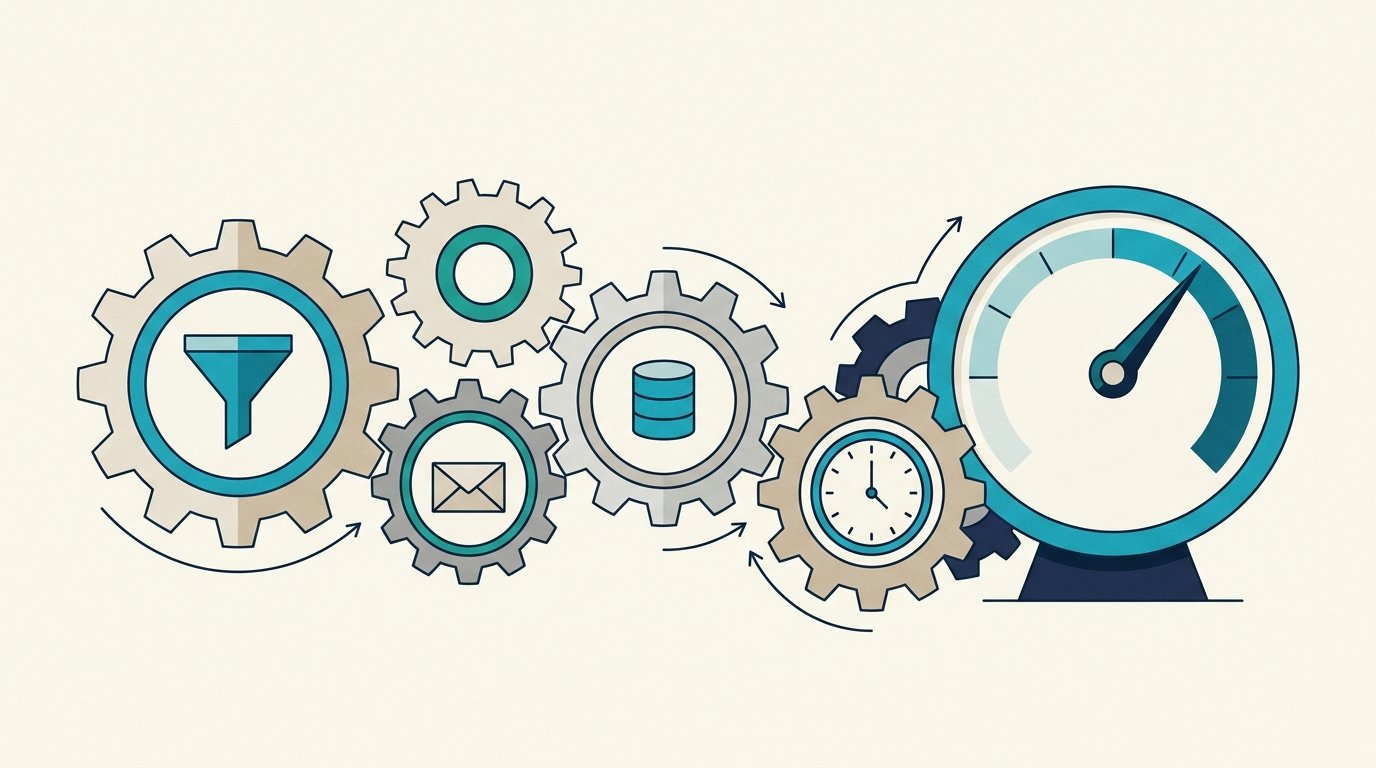
Most sales automation software guides rank tools. The buyer question underneath is whether automating your process produces more booked conversations. Here is the operator frame.
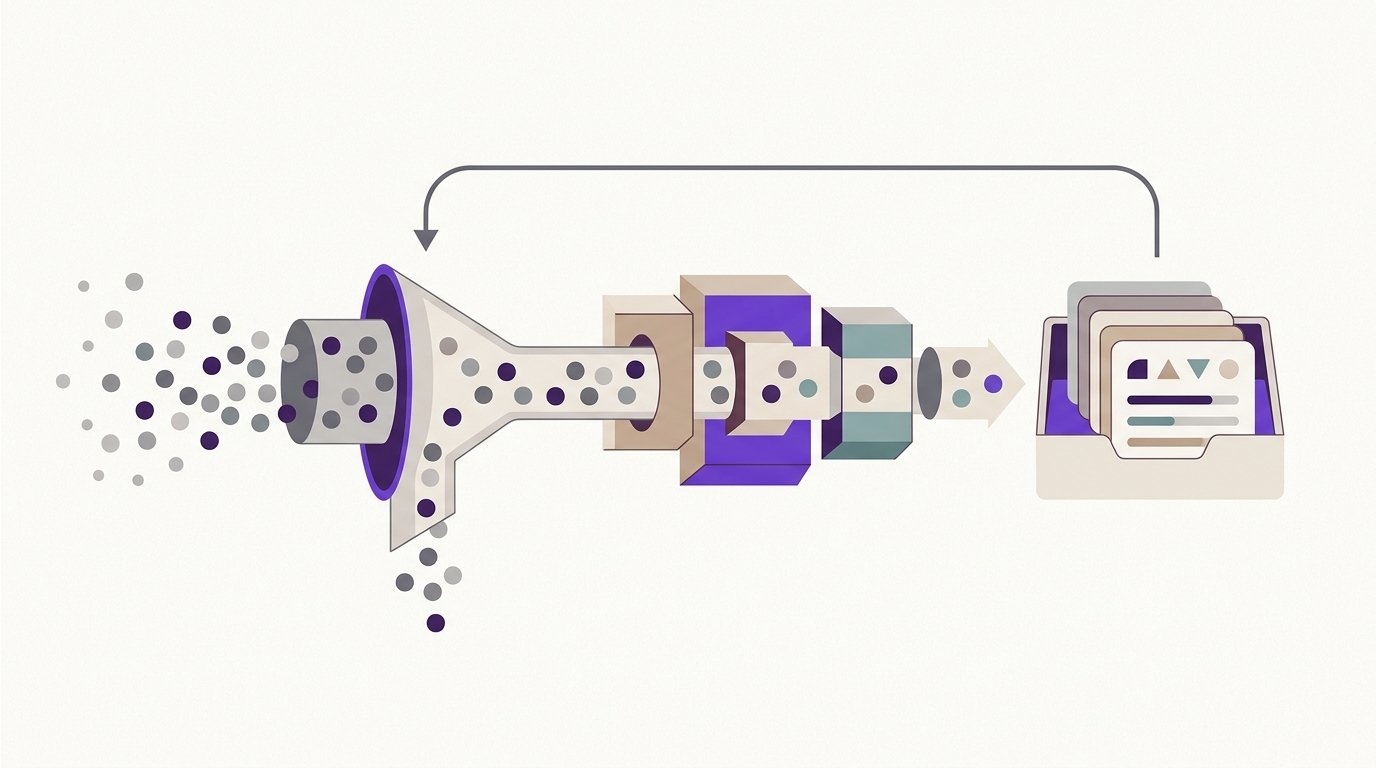
Most Clay tutorials teach you to enrich a list once. This one walks through building a Clay table as an always-on automation that qualifies, enriches, and routes leads without you watching it.

The decision that determines whether AI helps or hurts your B2B sales is not which tasks to automate. It is where you let AI act on its own versus where it only drafts for a human. Draw that line by the cost of being wrong.
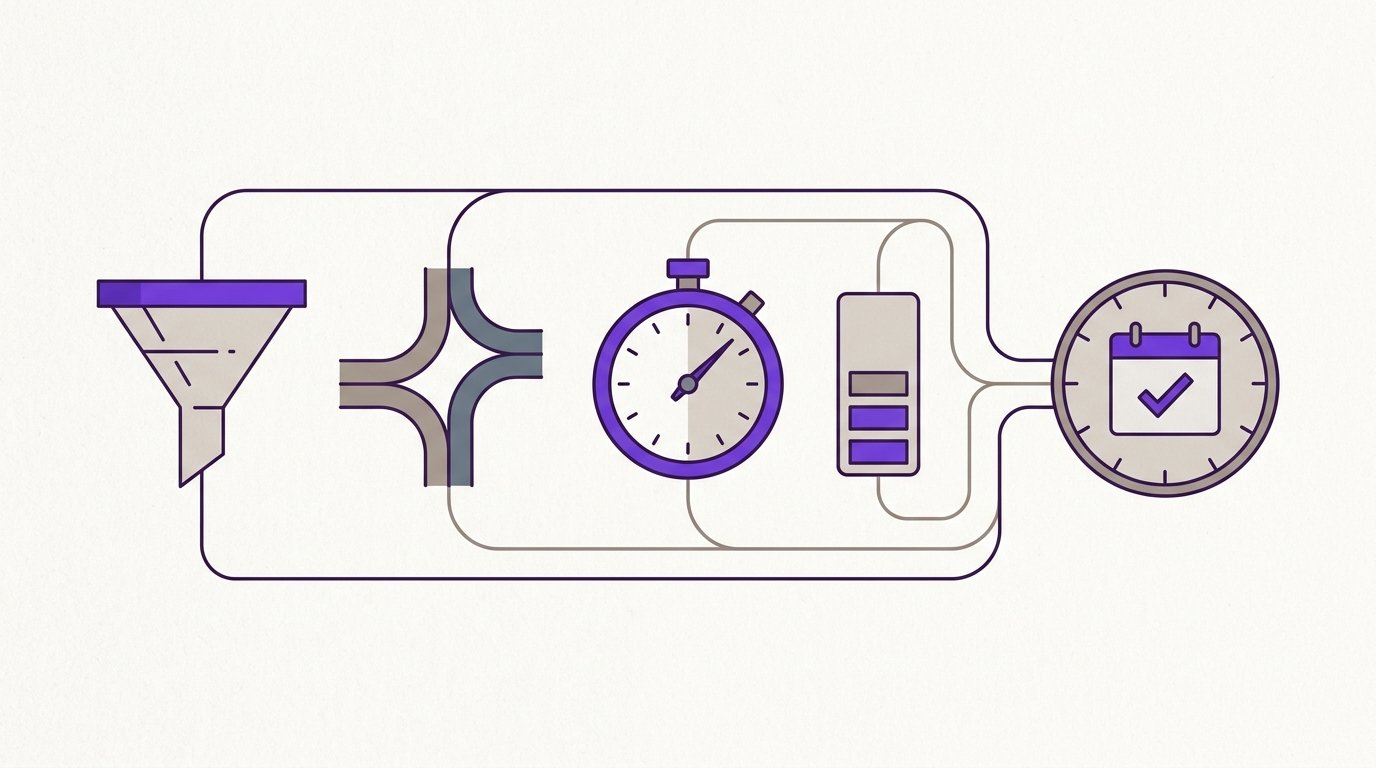
Most B2B marketing automation underperforms because firms automate the comfortable nurture drip and leave the layers that move pipeline manual. Here are the four jobs that matter and the order to build them.

Clearbit is now Breeze Intelligence inside HubSpot. Here is how to pick a replacement based on what Clearbit actually did for you.
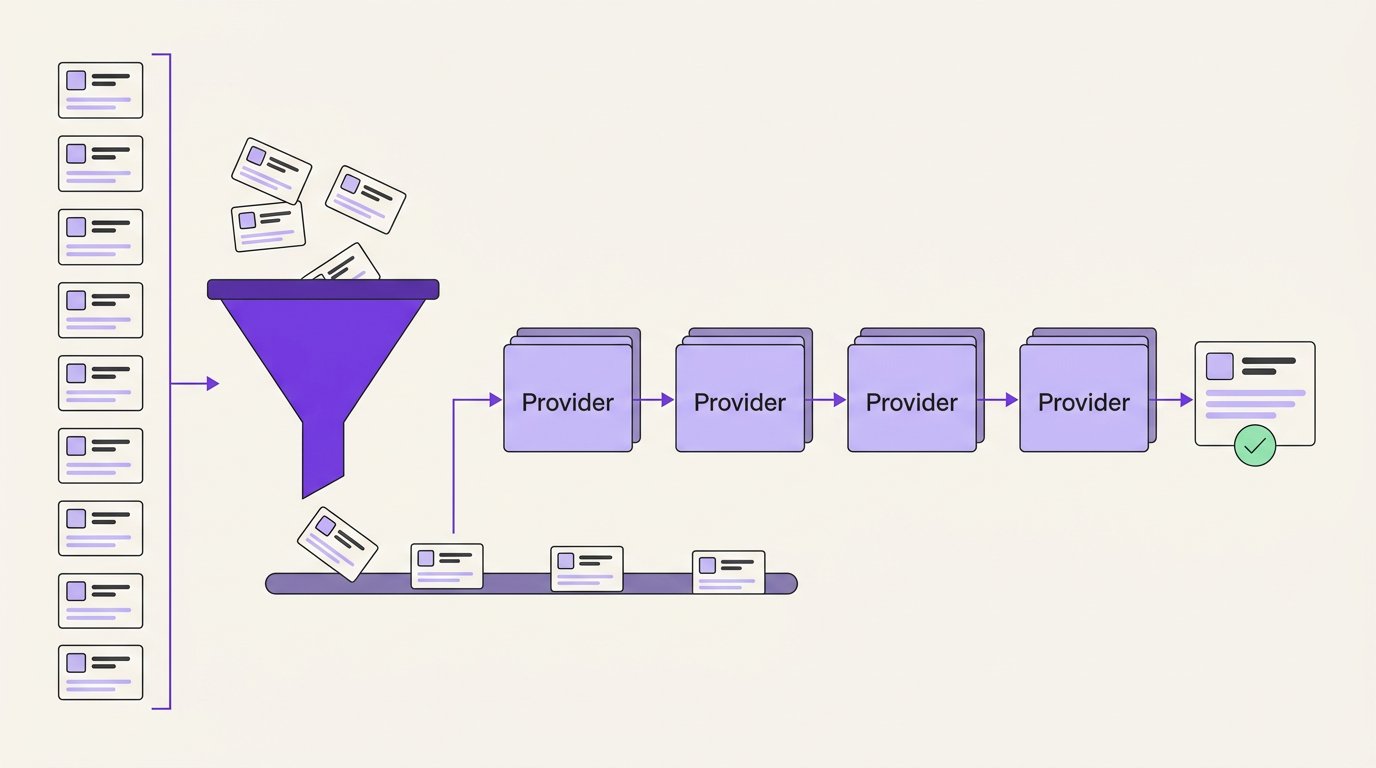
Clay enrichment is a routing layer over 50+ providers, not an enrichment tool. The economics live in the filter step before the waterfall, not the depth.
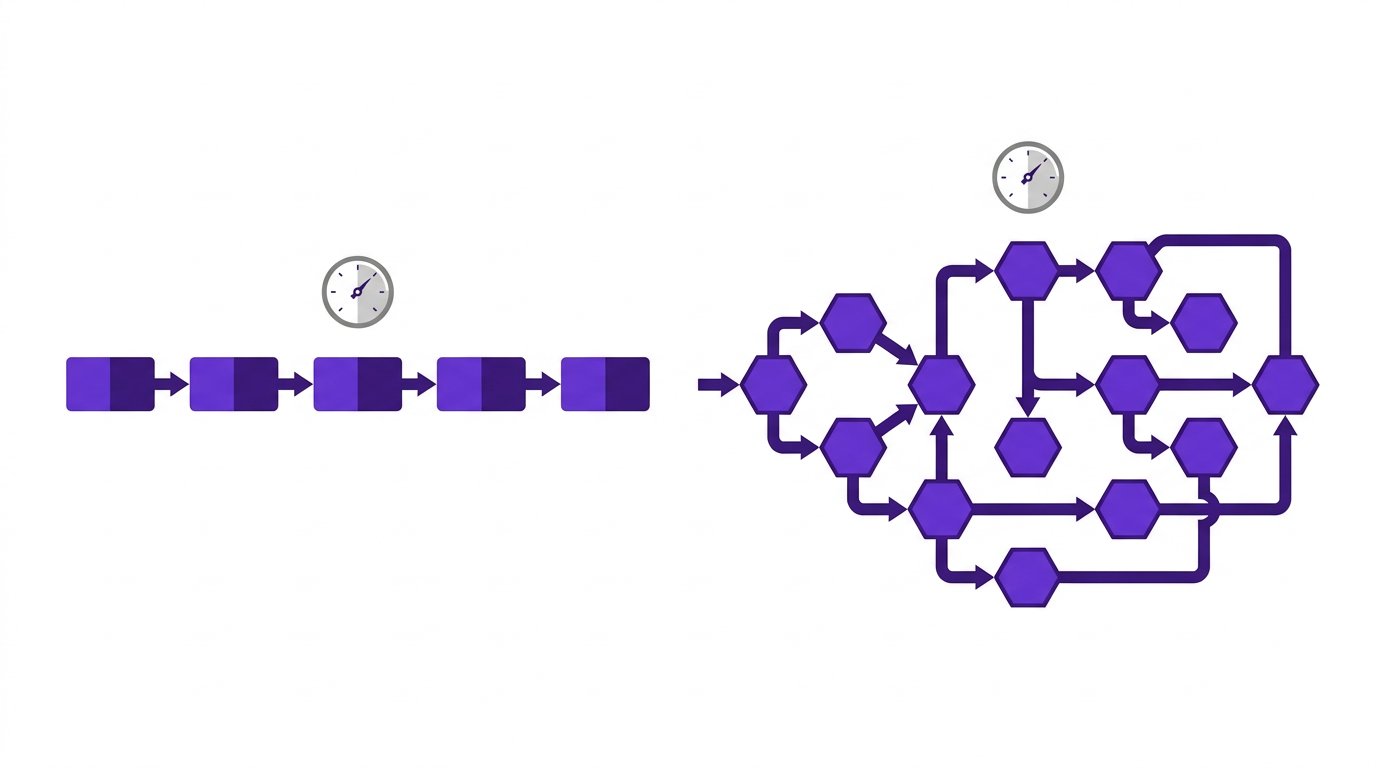
Feature comparisons miss the point. Zapier bills per action; Make bills per module. At scale those models diverge 4-15x. Run this projection first.

Most waterfall enrichment guides tell you to stack more providers. The real questions are about sequence, verification, and where to stop. Here is the framework we run for clients.
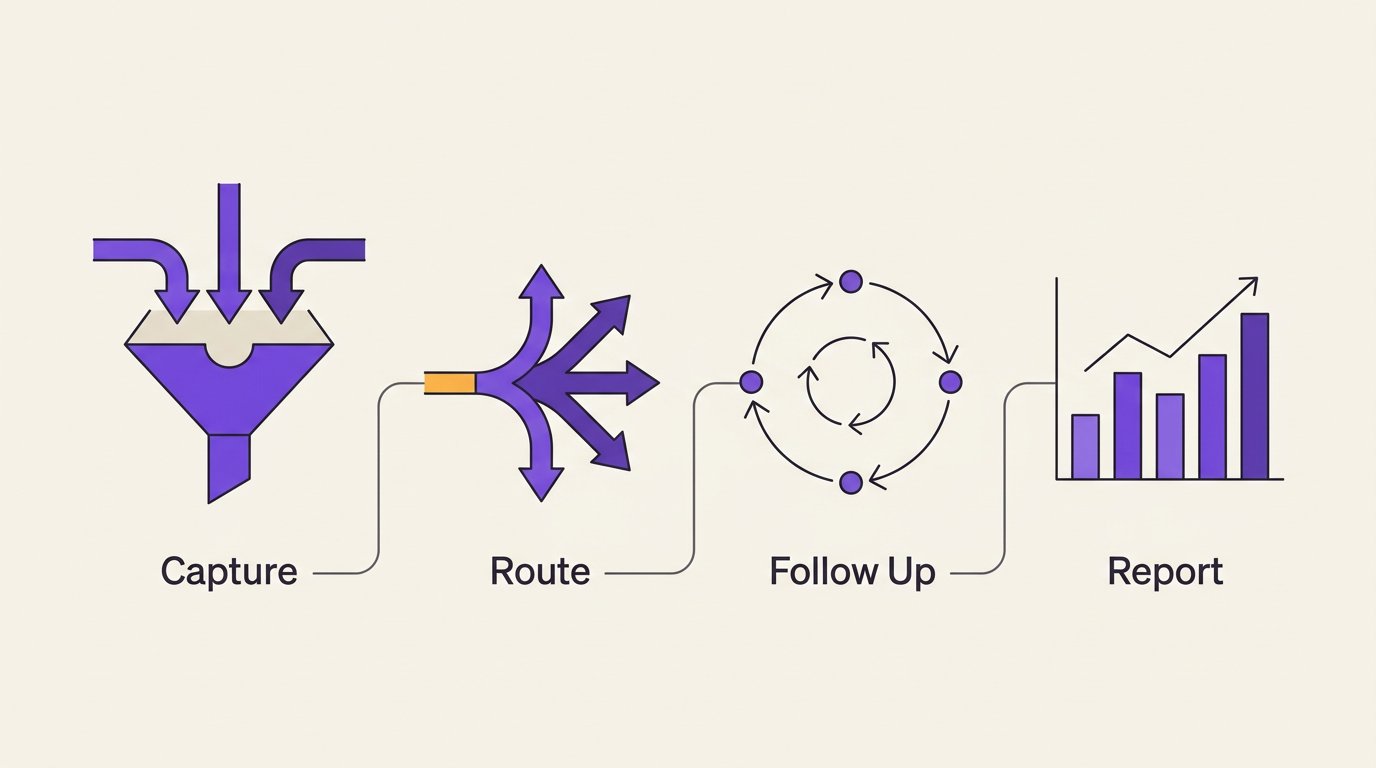
Most CRM automation guides hand you a tool list. The harder question: which four jobs must the automation do? Here is the operator frame.
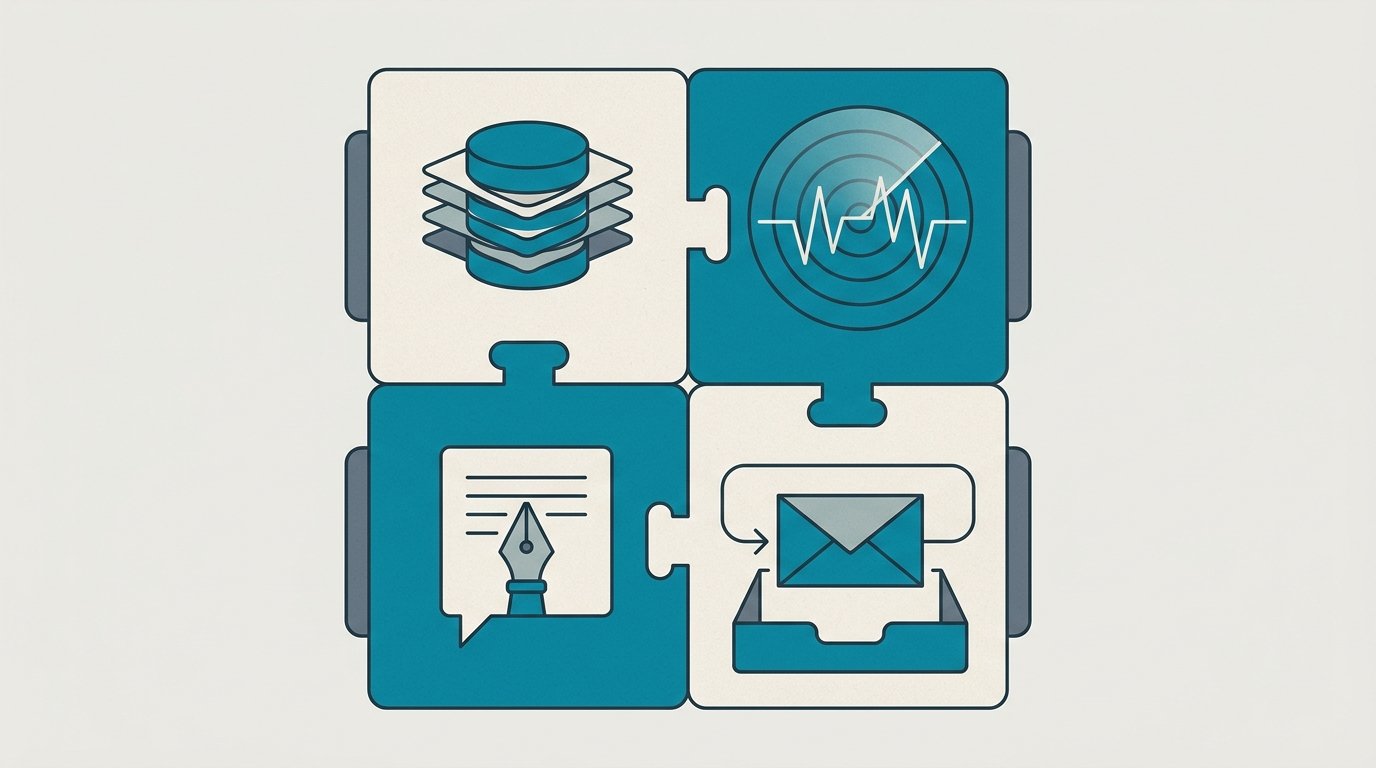
Most teams bolt AI prospecting onto a manual workflow. The fix: treat data, signal, message, and sender as four separate jobs with the best tool for each.
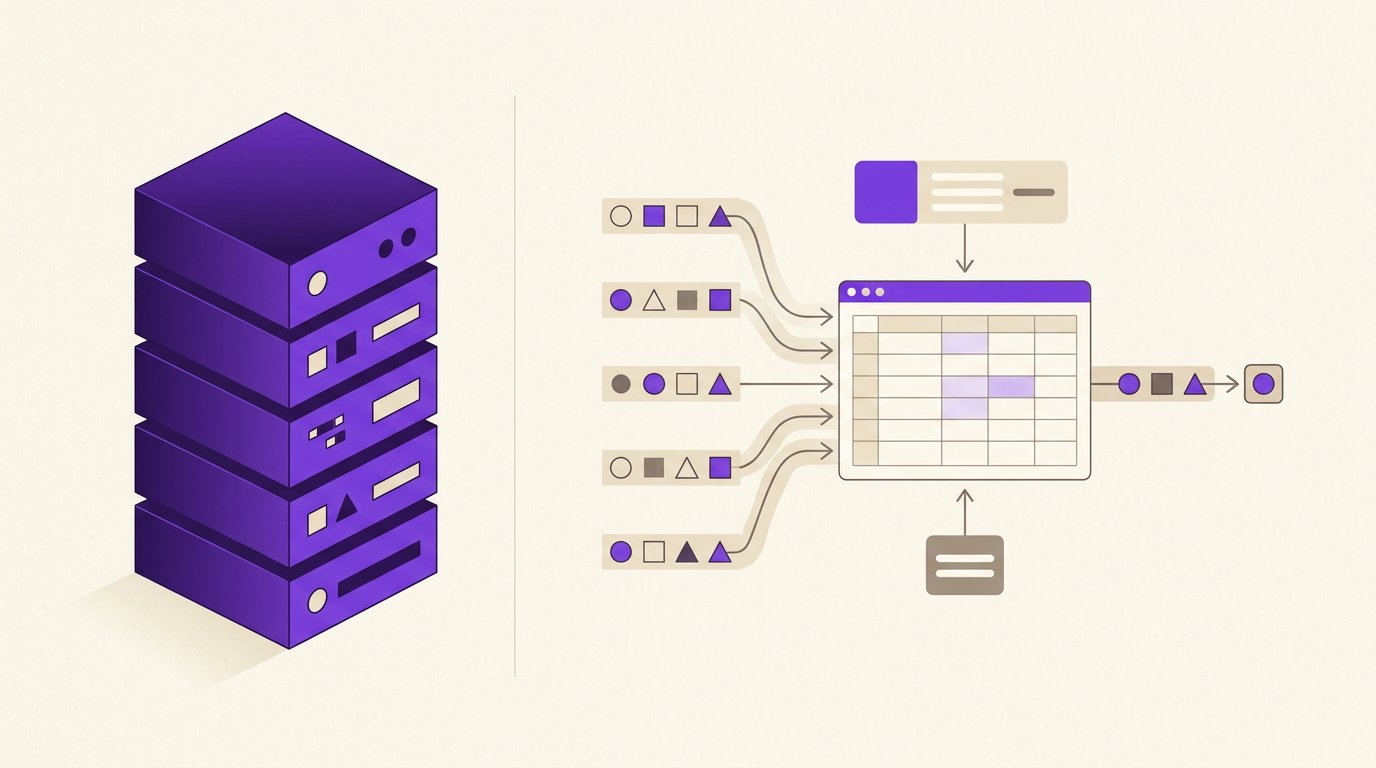
Apollo is a database with a sequencer. Clay pulls from many sources. Pick based on your operating model, not the feature list.
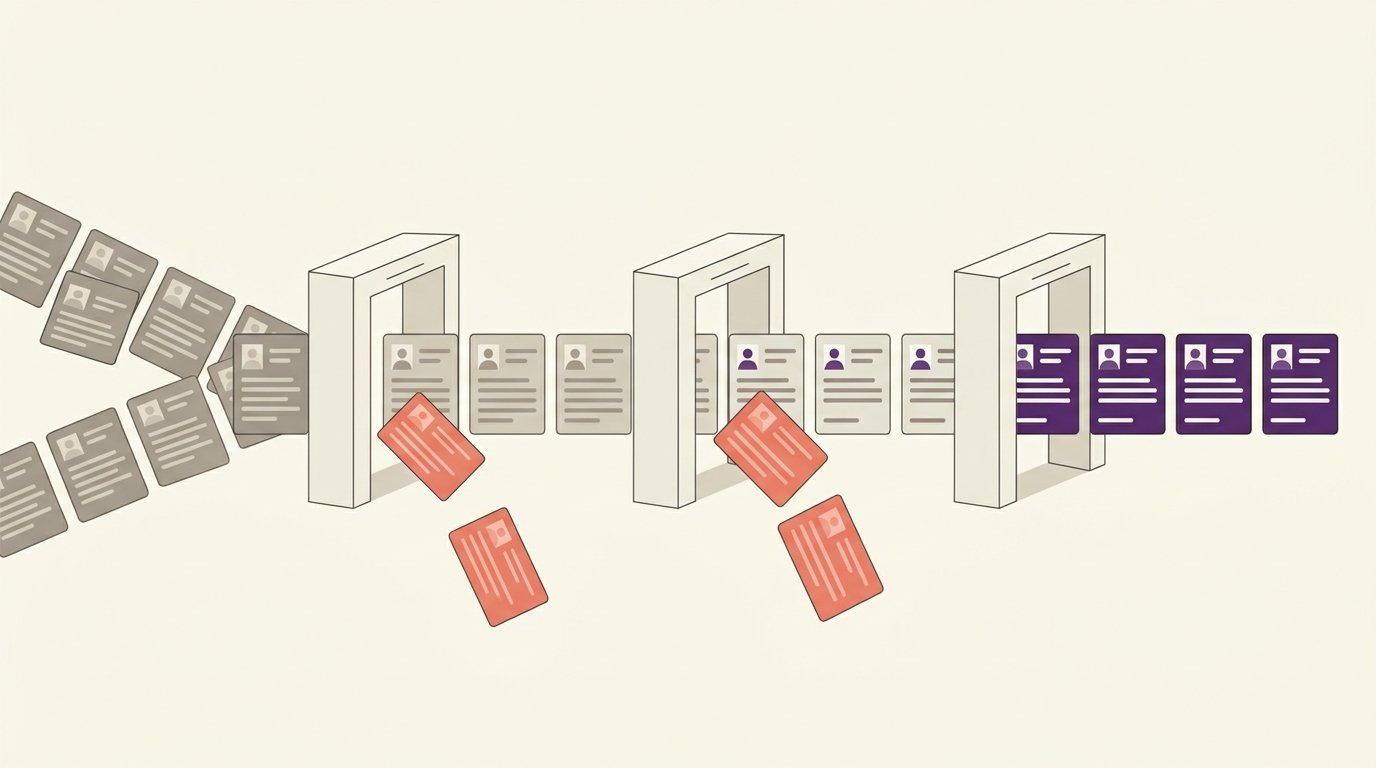
Most B2B teams treat data enrichment as a tool purchase. Operators booking consistent calls treat it as the deliverability variable that decides outbound.
Book a 30-minute Growth System Session or request a custom sample of in-market buyers in your industry.