Key Takeaways
- Cold calling software is three separate products under one name: a dialer for reps who already call, an autonomous AI caller that replaces the rep, and a sequencing platform where the phone is one step. Pick the category before the tool.
- Gong's analysis of 300M+ cold calls puts the average rep at a 5.4% connect and 4.6% set rate against 13.3% and 16.7% for the top quartile. At the same 200 dials a week that is roughly 2 meetings a month versus 18, so dialing capacity is worth about nine times more to a team that already converts.
- The phone lifts email even when nobody answers. Prospects who got a call attempt replied to email at 3.44% against 1.81% for email alone, and Outreach now measures 7.4 touches to book a meeting, so a dialer wired to nothing produces orphan touches.
- Caller reputation is the cost no pricing page shows. FCC rules sign every call with a three-tier attestation grade while the Commission calls the legacy caller-name database obsolete and insecure. Ask who owns the numbers, because rented reputation is someone else's history.
- Useful calling volume is capped by reply-handling capacity long before dialing capacity. A system that books more conversations than you can hold produces a longer list of people who were interested once.
Cold calling software is three products wearing one name
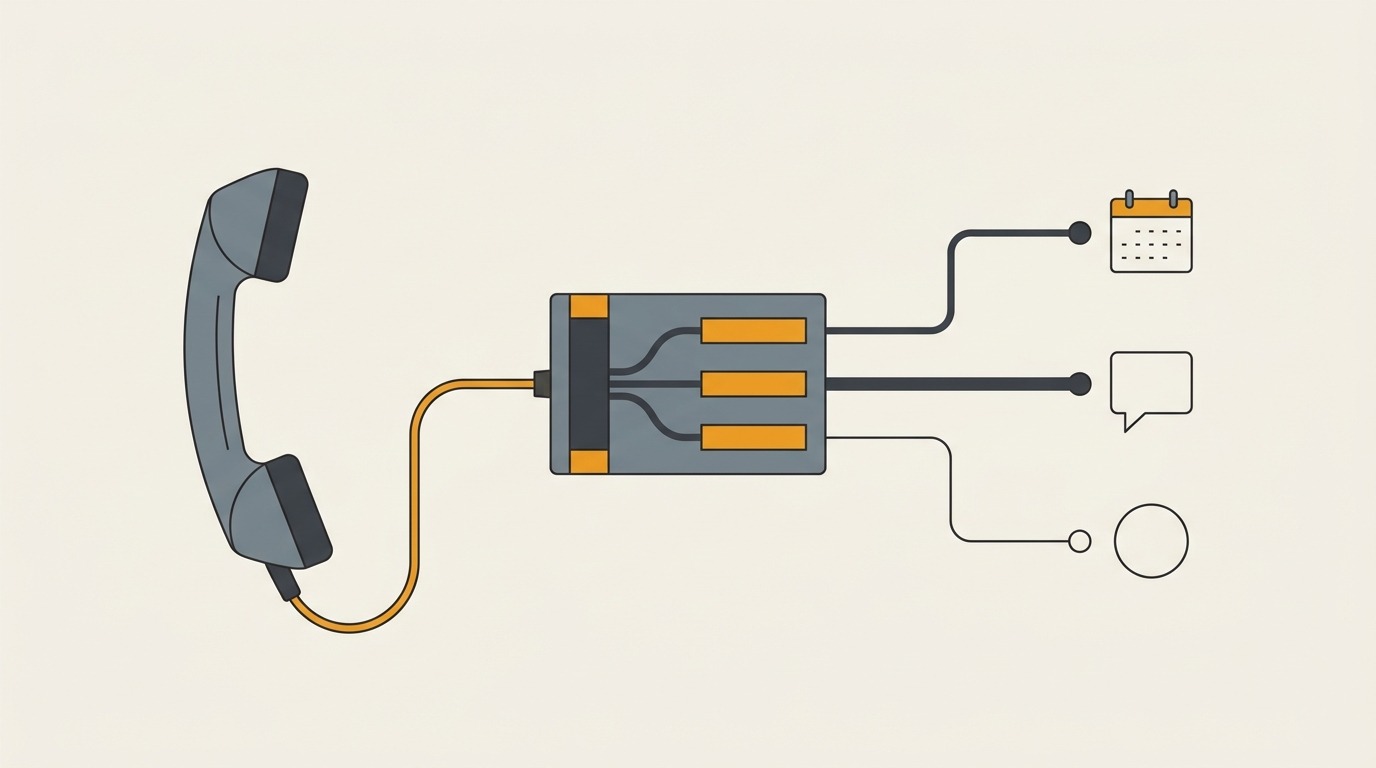
Cold calling software is not one category. Three genuinely different products get sold under that phrase, and the first job of any buyer is working out which one they are looking at. There is the dialer that makes existing reps faster, the autonomous AI caller that replaces the rep on the call entirely, and the sequencing platform where the phone is one step inside a wider cadence. Those three solve different problems, fail in different ways, cost different amounts to run, and suit different kinds of team.
Search the term and you can watch the confusion get manufactured. Page one is almost entirely companies selling the thing being evaluated. Vendor product pages from AI calling startups sit alongside "best cold calling software" roundups published by vendors including Instantly, CloudTalk, Close and Nooks, each of which appears in its own list. G2 and Capterra show up further down. Independent guidance from someone who is not selling a dialer is close to absent.
The result is that every page assumes you have already decided which category you want, then argues about capabilities inside it. That is the wrong first question. This piece is about the right one: what the phone is actually failing at in your business, and whether dialing capacity is the thing standing between you and booked conversations.
What the phone is still good for
Start with the case for calling at all, because it is stronger than the channel's reputation suggests.
Gong Labs analysed more than 300 million cold calls and found something that has nothing to do with talking to anyone. Prospects who received a cold call attempt replied to email at 3.44%, against 1.81% for the people who only got email. The reply rate nearly doubled whether or not the call connected. A missed call, a voicemail, an unknown number in the log, all of it apparently makes the follow-up email feel less like a stranger.
Adoption backs this up. HubSpot's 2025 State of Cold Calling Report, a survey of 379 sales professionals, found 68% work at an organisation using cold calling in some form, and 63% of the people calling daily said their volume had gone up year over year. Only 12% had moved away from the channel.
So the phone earns its place. What it does not do is earn it as a standalone channel. Outreach's May 2026 analysis of anonymised customer activity puts multi-channel sequences that combine email, phone, and LinkedIn at a 7% response rate against 5% for email alone, and found the average prospect now needs 4.8 touches before any first response, up from 3.2 in 2022. Booking a meeting took 7.4 touches on average.
That number is the one to hold onto. If it takes roughly seven touches to book a conversation, a dialer bolted onto nothing is generating orphan touches. The call has to be a step in a sequence that something else is tracking, or the effort leaks.
The arithmetic of buying more dials
Here is where most cold calling software purchases go wrong, and it is a maths problem rather than a product problem.
Gong's 300 million calls give two conversion rates for the same activity. The average rep connects on 5.4% of dials and converts 4.6% of those conversations into a meeting. The top quartile connects on 13.3% and converts 16.7%. Run both through the same 200 dials a week and the average rep books about 2 meetings a month while the top quartile books about 18.
Nine times the output from identical dialing volume. The gap is entirely in what happens after the phone is answered.
Now consider what a dialer sells you. It sells dials per hour. Parallel dialing, local presence, automatic voicemail drop, all of it compounds the number at the top of that funnel. If your conversion looks like the average, doubling dials takes you from 2 meetings a month to 4. If your conversion looks like the top quartile, the same purchase takes you from 18 to 36.
The tool is worth roughly nine times more to the team that was already good at the conversation. This is the part no vendor page will tell you, because the pitch depends on volume being the constraint.
The corroborating figures point the same way. Outreach puts the average connect rate across its customer base at 6.71%, with the strongest teams near 9%, and 13% of connected calls turning into a meeting. Cognism's State of Cold Calling report with We Have A Meeting, built on 55,701 dials, found the average call lasts 83 seconds and only 31% of calls get past the opening pitch. Two thirds of connected calls die in the first minute and a half. That is a script and qualification problem, and no amount of dialing capacity touches it.
Both of those datasets come from vendors reporting on their own platforms, so read them as directional rather than as a census. The direction is consistent across all three.
Nobody selling you a dialer owns the number
The gap that costs real money later is caller reputation, and it is absent from every vendor pricing page.
When you dial, your call carries an authentication signature. The FCC's rules require STIR/SHAKEN call authentication across IP networks, and calls are signed at one of three attestation levels. Level A means the provider verified both who you are and that you have the right to use that number. Level B means your identity was verified but the number was not. Level C means the provider handing off the call has no relationship with whoever started it. Carriers and analytics engines use that signal, among others, when deciding whether to label your call as suspected spam.
In the same rulemaking the Commission notes that large carriers apply STIR/SHAKEN to 86% of the traffic they exchange with each other, and describes the legacy caller name database as obsolete and insecure, unreliable and open to manipulation. So the name your prospect sees is frequently wrong or missing while the authentication signal behind it is doing the real work.
Two practical consequences follow, and they decide the cost of running any calling system past month three.
First, high-volume dialing from rented numbers tends to get those numbers flagged. Rotation is a running cost, not a setup cost. Vendor pricing pages quote monthly per-number rental, often a few dollars each, and per-minute overage that varies by tier. Neither line gets included in the cost-per-meeting maths the same pages use to compare themselves to an in-house hire.
Second, ask any vendor which attestation level your calls will carry and who holds the number. If the answer is that they own the numbers and you rent capacity, the reputation you build is theirs, and so is the reputation somebody else's campaign burned before you arrived. This is the same argument that applies to bought versus owned cold email infrastructure, and it lands the same way on the phone.
Choosing between the three categories
Start from what you already have rather than from a spec sheet.
You have reps who already call, and their conversations convert. Buy a dialer. This is the one case where dialing capacity genuinely is the constraint, and the nine-times arithmetic works in your favour rather than against you. Judge it on connect quality and on who owns the numbers. Then check how cleanly it writes call activity back into the sequence your follow-up runs on.
You have reps who call and the conversations die early. Do not buy anything yet. At 83 seconds average call length and 31% getting past the pitch, the fix is the opening and the qualification. Software will scale whatever is happening now.
You have no calling headcount and no intention of hiring any. This is where autonomous AI calling gets pitched, and it is the category to interrogate hardest. Every vendor page reports meetings booked and stops there. None of them reports show rate, and a meeting agreed to partly in order to end an awkward call behaves differently from one a human earned. Before committing, require show rate and meetings that became real opportunities, not booked count. Ask what the system says when someone asks whether they are talking to a machine. Ask who is liable when a number on a do-not-call list gets dialed.
The phone is one touch inside a wider cadence. Then what you need is the sequencing layer, and a voice step inside it, rather than a standalone calling product. Given 7.4 touches to a booked meeting, this covers more B2B teams than the category's marketing implies. The relevant comparison set here is the broader sales prospecting tools market and the AI SDR platforms that wrap several channels together.
What happens after someone says yes
One more thing the category ignores. A booked meeting is not the finish line, and calling software has no view of what happens next.
We have measured this on our own client programmes: useful outbound volume is capped by reply-handling capacity long before it is capped by dialing capacity or list supply. A calling system that produces more conversations than the business can answer and hold does not produce more revenue. It produces a longer list of people who were interested once.
That is why we sequence outbound and follow-up together rather than buying them separately. The Outreach Engine creates the conversation and the Follow-Up Engine makes sure it survives the gap between yes and a held meeting, with reminders and no-show recovery doing work that no dialer is aware of. You can read how we wire the outbound side in our signal-based outreach approach and how the routing layer works in lead routing software and CRM automation.
If you want the targeting side of this before you spend on tooling, the signal-based outreach checklist covers how we pick who gets called in the first place, which is upstream of every number on this page.
The short version
Cold calling software is worth buying when your conversations already convert and you want more of them. It is worth avoiding when the conversations are the problem, because capacity multiplies a small conversion rate into a slightly larger small number.
The phone still works. Gong's data shows it lifts email reply rates even when nobody picks up, and two thirds of B2B teams are still using it. What has changed is that the phone now works as a step rather than as a channel, and the software worth paying for is the software that knows what the other steps are doing.
Before you compare pricing tiers, get three numbers from your own business: your connect rate, your conversation-to-meeting rate, and how many booked meetings actually get held. If you do not have them, that is the finding. Tooling bought without them is a guess with a monthly invoice attached.
Keep Reading
Joseph Perkins
Joseph Perkins is the founder of Perkins Growth Systems. He spent 7 years leading marketing for a 4x Inc. 5000 firm from startup to exit, and now engineers search visibility, signal-based outbound, and RevOps and CRM automation systems for B2B companies.